2026 Top Shower Enclosure Hardware Materials Compared?

Time:2026-09-13 Author:Ethan
0%

Choosing shower hardware is no longer a simple finish decision. In 2026, installers and homeowners are comparing corrosion resistance, load performance, maintenance, and lifecycle value. This makes Shower enclosure hardware material comparison essential for safer, longer-lasting bathroom design.

The 2024 Houzz U.S. Bathroom Trends Study shows continuing investment in upgraded shower areas, while NKBA trend research highlights larger, cleaner, and more personalized shower layouts. These changes place greater demands on hinges, brackets, handles, and support channels. A thin stainless-steel hinge may look elegant, but its grade, machining quality, and protective finish matter more than its polished surface. Brass can provide strong visual appeal and useful weight, yet coating failure may appear around screw heads and damp joints. Aluminum remains lightweight and practical, although softer alloys can deform under repeated adjustment.

Tom Culp, a technical consultant associated with the Fenestration and Glazing Industry Alliance, offers a useful principle: “Durability begins with exposure conditions, not the product label.” That warning deserves attention. Humid bathrooms, coastal air, hard-water deposits, and aggressive cleaners can produce very different results. ASTM and ANSI glazing guidance also remind specifiers to evaluate safety, compatibility, and installation quality together.

No material wins every test. That is the uncomfortable part. A premium alloy can still fail when installers over-tighten fasteners or mix incompatible metals. This guide compares stainless steel, brass, aluminum, zinc alloy, and coated hardware through practical evidence, reported industry trends, and real maintenance concerns. The goal is not to crown one universal winner. It is to identify the right material for each bathroom environment.
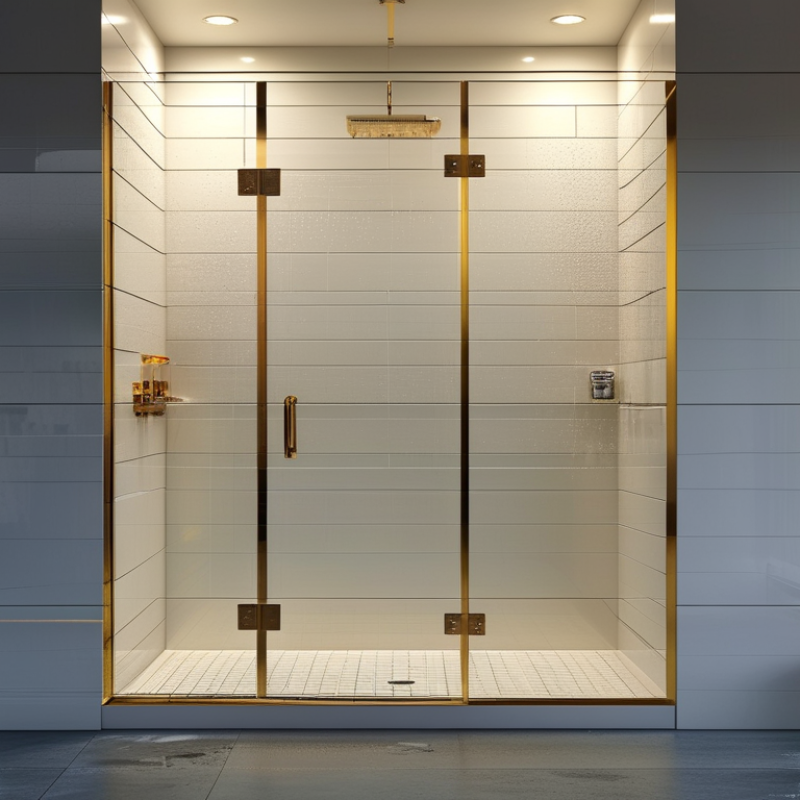
2026 Top Shower Enclosure Hardware Materials Compared?

What Is Shower Enclosure Hardware and Why Do Materials Matter?

Shower enclosure hardware includes hinges, handles, brackets, seals, rollers, and support bars. These parts hold glass panels in place and control daily movement. Material choice matters because bathrooms expose hardware to water, steam, soap, and cleaning chemicals. A fitting may look polished today, yet develop stains or loose joints later.

Stainless steel is valued for corrosion resistance and structural strength. Brass feels solid and handles repeated use well, but its surface may change without suitable protection. Aluminum is lighter and often costs less, though softer sections can bend under stress. Coated alloys can offer attractive finishes, but scratches may expose weaker metal underneath. No material is perfect. Installation quality matters just as much. Uneven walls, excessive tightening, or poor drainage can shorten the life of excellent hardware. A careful installer checks alignment, gasket contact, and screw seating before final adjustment.

Tips: Choose hardware rated for wet environments. Check the actual metal, not only the finish. Wipe water from joints after use. Avoid abrasive cleaners, which can damage protective coatings. Inspect hinges and handles every few months. Small movement can signal a larger problem. When comparing options, consider glass weight, door frequency, cleaning habits, and local water hardness. The cheapest fitting may still work, but replacing it early creates extra labor and waste.

Which Materials Are Used in Shower Enclosure Hardware?

Shower enclosure hardware must tolerate water, steam, fingerprints, and repeated movement. Stainless steel is a common choice because it resists rust and supports heavy glass panels. Grade 316 performs better near coastal air, while grade 304 suits many indoor bathrooms. Brass offers strong threads and a warmer appearance. However, its surface can discolor if cleaning chemicals remain on it. Aluminum is lightweight and useful for frames, but softer alloys may bend under stress. Zinc alloy costs less, yet it may wear faster around hinges and screws.

In practical installations, the finish matters almost as much as the base metal. Brushed surfaces hide water spots better than polished ones. Coatings can improve appearance, but scratches may expose the metal underneath. I have seen a small hinge washer cause uneven door movement after months of use. It was not a dramatic failure. Still, it reminded me that material selection cannot replace accurate installation. Hardware should match the glass thickness, door weight, and bathroom moisture level.

Tips: Check the metal specification, not only the color. Look for clean threads, smooth hinge movement, and firm screw seating. Rinse soap residue regularly and dry corners with a soft cloth. Avoid abrasive pads. They leave tiny scratches. Coastal bathrooms may need more frequent inspection, even with corrosion-resistant steel. A careful installer should also check alignment after the first few weeks. Small adjustments can prevent larger damage.

2026 Top Shower Enclosure Hardware Materials Compared

Representative density of materials commonly used in shower enclosure hardware and accessory components

Stainless steel 304 and 316 are widely selected for hinges, brackets, screws, and clamps because they provide strong corrosion resistance in humid environments. Brass is commonly used for machined fittings and supports, while aluminum offers a lightweight option for frames and profiles. Zinc alloys are often used for decorative cast hardware, and nylon is typically used for spacers, washers, rollers, and other non-metal components. Actual performance also depends on alloy grade, surface finish, installation conditions, and maintenance.

How Do Stainless Steel, Brass, Aluminum, and Zinc Compare?

For 2026 shower enclosures, stainless steel, brass, aluminum, and zinc each offer different strengths. Stainless steel remains the safest choice for wet bathrooms. The World Stainless Association reported 58.4 million tonnes of global crude stainless steel production in 2023. That scale supports a mature supply chain and consistent fabrication quality. Stainless steel resists rust, handles repeated cleaning, and feels rigid under hand pressure. However, poor-grade stainless can still stain near saltwater or harsh chemicals.

Brass provides excellent thread strength for hinges, screws, and adjustable fittings. Its higher density gives hardware a solid, controlled feel. Brass may develop surface discoloration unless it receives suitable plating or protective coating. Aluminum is lighter and easier to install, especially on large glass doors. The International Aluminium Institute reported global primary aluminum production above 72 million tonnes in 2024. Yet aluminum can deform more easily at thin sections. Zinc alloys are economical and cast into detailed shapes. They can work well indoors, but exposed edges may show corrosion sooner. This comparison is not perfect. Coating quality often matters more than the metal name.

Tips: Check the alloy, coating thickness, fastener material, and drainage design. Avoid mixing incompatible metals in constantly wet joints. A stainless screw touching aluminum can create galvanic corrosion when moisture remains trapped. Test the hinge movement before final tightening. Small alignment errors become loud, sticky problems later. Industry reports provide useful scale data, but bathroom performance still depends on installation, ventilation, and daily cleaning habits.

What Factors Determine the Best Hardware Material for 2026?

In 2026, the best shower enclosure hardware material depends on water chemistry, loading, cleaning habits, and installation quality. Material choice is not purely aesthetic. In field inspections, poorly sealed fasteners often corrode before the visible frame does.

Stainless steel usually offers strong corrosion resistance and high load stability. Grade 316 performs better near coastal air or chloride-rich water. Grade 304 suits many indoor bathrooms at lower cost. Brass provides useful strength, but its coating must remain intact. Aluminum is lightweight and practical, though softer threads can loosen during repeated adjustment. Zinc alloy can look attractive, but it deserves closer inspection around hidden joints.

Water usage also affects maintenance. The U.S. EPA WaterSense specification limits labeled showerheads to 2.0 gallons per minute, compared with the federal 2.5-gallon limit. Lower flow may reduce mineral deposits, but it cannot prevent them. The U.S. Department of Energy reports that water heating represents about 18% of household energy use, making efficient fixtures relevant to lifecycle decisions. For corrosion testing, ASTM B117 salt-spray results provide useful comparisons, but the standard does not perfectly reproduce every bathroom environment. That limitation matters.

Choose based on exposure first. Coastal projects need stronger chloride resistance. Hard-water homes need smooth surfaces and accessible seals. Busy hotels need replaceable components and secure threads. My practical concern is often overlooked: premium metal can still fail after rushed installation. A slightly imperfect finish may outlast perfect-looking hardware with trapped moisture.

How Should Shower Hardware Materials Be Maintained and Replaced?

Shower enclosure hardware may use stainless steel, brass, aluminum, or coated alloys. Each material needs a slightly different care routine. Stainless steel resists moisture well, but it can still develop spots near salty water or harsh cleaners. Brass feels sturdy, while aluminum is lighter and may scratch more easily.

Wipe hinges, handles, clips, and brackets after bathing. Use a soft cloth and diluted mild soap. Avoid abrasive pads, bleach, and acidic cleaners unless the manufacturer approves them. Dry the joints carefully, especially around screws.

Tips: Check loose screws monthly. Remove soap film early. Never force a stiff hinge. A gentle silicone-safe lubricant can help, but excess lubricant attracts dust.

Replacement becomes necessary when metal is deeply corroded, cracked, bent, or no longer holds the glass securely. Discoloration alone may be cosmetic, but flaking finishes deserve attention. Test the enclosure slowly after tightening hardware. I sometimes find that repeated tightening hides a damaged thread. That is not a real repair.

Measure the original part before ordering a replacement, including screw spacing and glass thickness. If the glass shifts, stop using the enclosure and seek qualified installation advice. Small hardware failures can become expensive glass damage.

FAQS

Which material is usually best for shower enclosure hardware?

Stainless steel is often the safest choice for wet bathrooms. It resists rust and supports heavy glass panels. Quality still matters.

How do stainless steel, brass, aluminum, and zinc differ?

Stainless steel offers rigidity and moisture resistance. Brass provides strong threads and a warmer appearance. Aluminum is light but can bend. Zinc costs less, yet may wear sooner.

Is stainless steel completely rustproof?

No material is completely trouble-free. Saltwater, harsh cleaners, and trapped moisture can cause stains or corrosion. Coastal bathrooms need frequent inspection.

Does the surface finish affect maintenance?

Yes. Brushed finishes hide water spots better than polished surfaces. Scratches can expose the metal underneath. Small marks are easy to underestimate.

How should shower hardware be cleaned?

Wipe hinges, handles, clips, and brackets after bathing. Use diluted mild soap and a soft cloth. Dry corners around screws carefully. Avoid abrasive pads.

Can different metals be used together?

They can, but wet contact may cause galvanic corrosion. Keep moisture from trapped joints. Check fastener compatibility before final installation.

When should shower hardware be replaced?

Replace parts that are deeply corroded, cracked, bent, or loose. Flaking finishes deserve attention. Discoloration alone may only be cosmetic.

What should be checked before installing replacement hardware?

Measure glass thickness, screw spacing, and the original part carefully. Test hinge movement before fully tightening screws. A tiny washer can affect door alignment.

What should I do if the glass begins shifting?

Stop using the enclosure and seek qualified installation advice. Do not keep tightening damaged threads. That only hides the problem temporarily.

Conclusion

This guide presents a practical Shower enclosure hardware material comparison for 2026, explaining why material selection affects safety, durability, appearance, and long-term value. Shower enclosure hardware includes hinges, handles, brackets, clips, supports, and related fittings that secure glass panels and allow smooth operation. Common choices include stainless steel, brass, aluminum, and zinc, each offering different levels of strength, corrosion resistance, weight, cost, and design flexibility. Stainless steel is highly durable and moisture-resistant, brass provides a solid feel and decorative appeal, aluminum is lightweight and economical, while zinc is suitable for budget-conscious applications with proper protective finishes.

The best material depends on bathroom humidity, installation requirements, glass weight, cleaning habits, desired style, and available budget. Regular maintenance should include gentle cleaning, drying water-prone surfaces, checking screws and connections, and avoiding harsh chemicals that may damage protective coatings. Hardware should be replaced when it shows cracks, severe corrosion, looseness, deformation, or impaired movement. Choosing suitable materials and maintaining them properly can improve enclosure performance, extend service life, and support a safer, more polished bathroom environment.

Ethan

Ethan

Ethan is a seasoned marketing professional with a deep expertise in our company's innovative product line. With a passion for sharing knowledge and insights, he takes the lead in regularly updating our corporate blog, where he explores industry trends, product features, and effective marketing......