When it comes to construction and automotive projects, U-Bolts play a crucial role. These fasteners secure pipes, frames, and suspension components effectively. According to a recent industry report, the global U-Bolt market is expected to reach $1.2 billion by 2026. This growth highlights their increasing importance in various sectors.
U-Bolts are designed to handle heavy loads, making them essential for reliability and safety. Their unique shape and material composition allow them to resist stress and strain. However, not all U-Bolts are created equal. Choosing the wrong type can lead to failures that compromise structural integrity.
Considering the wide range of applications, understanding the specifications is vital. Projects vary in their requirements, and the right U-Bolt can make a significant difference. Often, buyers overlook details like size, material, and corrosion resistance. Reflecting on these aspects can enhance both performance and safety.
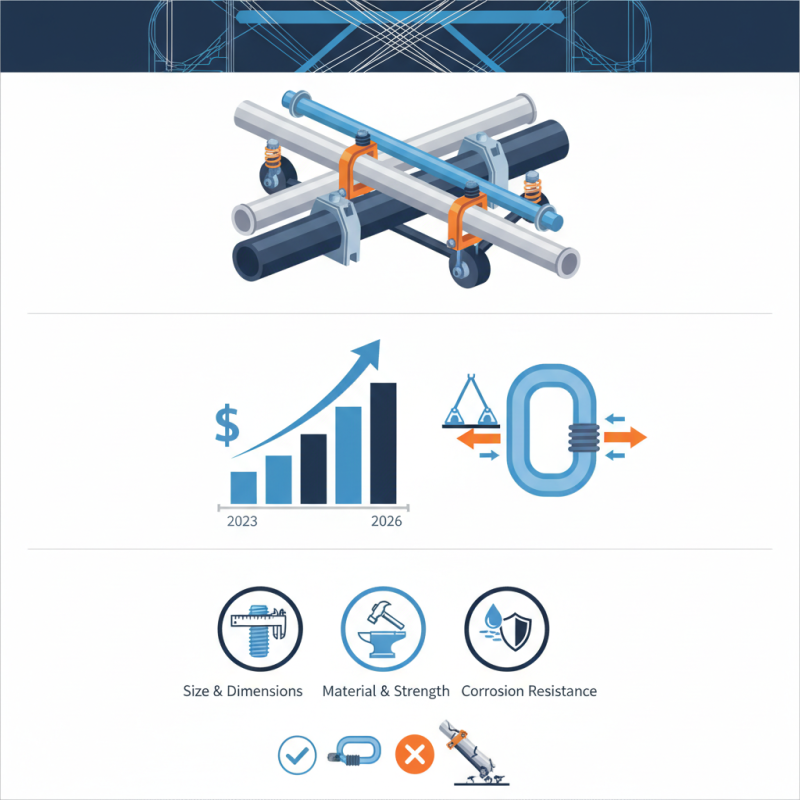
U-bolts are versatile fasteners. They have a U shape with threads on both ends.
U-bolts are common in various projects, particularly in plumbing and construction.
You will often find them securing pipes or fastening parts to a surface. Their design allows them to grip round objects firmly.
When using U-bolts, ensure the size matches your project.
A small U-bolt might not provide adequate support. Conversely, a large one could be unnecessary.
This increases costs and adds weight. Measure your materials carefully before purchasing.
Tips: Always check the load capacity of the U-bolt.
Overloading can lead to failure. Consider using washers for better stability.
They help distribute weight evenly. If you’re unsure about installation, seek advice.
A poor fit can cause complications later.
Always remember to check for rust or wear.
This can affect performance and safety.
When selecting U-bolts, understanding their types is crucial. U-bolts come in various styles. The most common types include round, square, and rectangular U-bolts. Each design serves specific purposes.
Round U-bolts are typically used in automotive applications. They fit securely around pipes and rods.
Square U-bolts offer more gripping power. This design is ideal for mounting on flat surfaces. They ensure stability in high-load conditions.
Rectangular U-bolts are versatile and often used in construction. They provide a stronger hold and are more resistant to bending.
Choosing the right U-bolt can be tricky. Consider the material as well.
Steel U-bolts are commonly used, but stainless steel is better for corrosion resistance. Proper sizing is essential. A bolt that is too small may fail. Too large, and it might be ineffective. Each project demands careful thought.
What works for one situation may not work in another. Fortunately, there are guides available, but personal experience can be invaluable. Know your needs before making a choice.
When selecting U-bolts, consider materials and coatings. The type of material directly impacts durability. Common options include stainless steel and carbon steel. Stainless steel resists rust and corrosion. This is crucial for outdoor projects. Carbon steel is often stronger but may corrode without proper treatment.
Coatings also play a vital role. Zinc plating can enhance corrosion resistance. Environmental exposure demands effective coatings. If you work in humid areas, prioritize materials designed for such conditions. However, coatings might wear over time. Regular inspections are necessary to ensure longevity.
Choosing the right combination is important for strength and durability. Sometimes, the perfect material might not be available. This is where alternatives come into play. Reflect on the specific needs of your project. Adaptability can lead to unexpected solutions. Each choice shapes the project outcome.
When selecting U-bolts for your project, size and specifications are crucial. U-bolts come in various diameters and lengths. The right dimensions depend on your specific application. Measure the diameter of the pipe or element you intend to secure. It’s vital to have an accurate measurement. A too-small U-bolt can lead to failures. Conversely, an oversized one may not hold firmly.
Consider the material as well. U-bolts are often made from steel, stainless steel, or plastic. If your project involves outdoor use, choose corrosion-resistant materials. The wrong material can weaken under stress. You may need to factor in load capacities too. This ensures safety and durability. Don't rush this selection; it is vital to your project's success. Each detail matters, and mistakes can be costly. Reflect on your needs and balance them with specifications available in the market. Go over your choices thoroughly.
| Size | Material | Thread Diameter | Load Capacity (lbs) | Finish |
|---|---|---|---|---|
| 1/4" x 6" | Stainless Steel | 1/4" | 1,500 | Polished |
| 3/8" x 8" | Carbon Steel | 3/8" | 2,500 | Zinc Plated |
| 1/2" x 10" | Galvanized Steel | 1/2" | 3,500 | Hot-Dipped |
| 5/8" x 12" | Aluminum | 5/8" | 4,500 | Anodized |
| 3/4" x 14" | Stainless Steel | 3/4" | 6,000 | Polished |
U-bolts are essential for various projects, especially in construction and automotive applications. Proper installation significantly impacts their performance and durability. Many projects fail not due to the materials but due to improper installation techniques.
Ensure the U-bolt is aligned correctly with the mounting holes. Misalignment can cause stress concentrations, leading to premature failure. According to industry reports, up to 30% of U-bolt failures stem from poor installation practices. Using the right torque settings is crucial. Over-tightening or under-tightening can weaken the connections.
Tips for installation: use a torque wrench to achieve the recommended specifications. It is often recommended to apply lubricant to the threads for smoother tightening. Inspect the U-bolt for any signs of wear or corrosion before installation. This proactive step can prevent future issues.
The surface where the U-bolt attaches should be clean and free of debris. Even small particles can disrupt the connection. Ignoring this can lead to inconsistent pressure distribution, making it necessary to rethink your approach. Proper installation is an art that combines attention to detail with the right techniques.
: Common materials include stainless steel and carbon steel. Stainless steel resists rust, while carbon steel is stronger but may corrode.
Coatings enhance corrosion resistance. Zinc plating is effective and necessary for outdoor projects.
Measure the diameter of the pipe or element to secure. Accurate measurements are crucial for safety and effectiveness.
A too-small U-bolt can fail, while an oversized one may not hold securely. Both can lead to project failures.
Align the U-bolt with mounting holes correctly. Misalignment can cause stress and lead to failure.
Using the right torque is vital. Over-tightening can weaken connections, while under-tightening may lead to loose fittings.
Inspect U-bolts for wear or corrosion. Clean surfaces where attachments will be made to ensure proper connection.
Load capacities ensure safety and prevent failures under stress. Choosing the wrong material can compromise project integrity.
Regular inspections and appropriate coatings enhance durability. However, coatings may wear over time; reflect on maintenance needs.
Reflect on your project's specific needs and consider alternatives. Adaptability can lead to unexpected, viable solutions.
U-Bolts are essential fasteners commonly used in various applications, particularly in securing pipes, rods, and other cylindrical objects to a surface. Understanding the definition and common uses of U-Bolts can help you select the right type for your project. This comprehensive overview includes the different types of U-Bolts available, as well as insights into the materials and coatings that enhance their durability and strength.
When choosing U-Bolts, it's crucial to consider the right size and specifications to ensure optimal performance. Proper installation techniques and best practices are essential for maximizing the effectiveness of U-Bolts in your projects. With this knowledge, you can confidently select and use U-Bolts, ensuring they meet the demands of your specific applications.
Batul Hardware