As we approach 2026, the landscape of interior design continues to evolve, especially in modern kitchens. Key focuses are shifting toward innovative and functional cabinet hardware. Current research indicates that 75% of homeowners prioritize aesthetics in their kitchen remodels, underscoring the importance of cabinet hardware trends for modern kitchens.
Experts predict that minimalism and sustainable materials will dominate the hardware market. Stainless steel and matte black finishes are expected to gain significant traction, appealing to style-conscious consumers. According to a recent industry report, these materials not only offer durability but also align with the increasing demand for eco-friendly options. However, feedback from recent home shows reveals a gap; while many modern designs look sleek, functionality often suffers.
This creates an opportunity for designers to strike a better balance between beauty and practicality. As we delve into the top cabinet hardware trends for modern kitchens, the challenge lies in marrying design with usability. The outcome could significantly impact homeowner satisfaction and overall kitchen functionality in years to come.
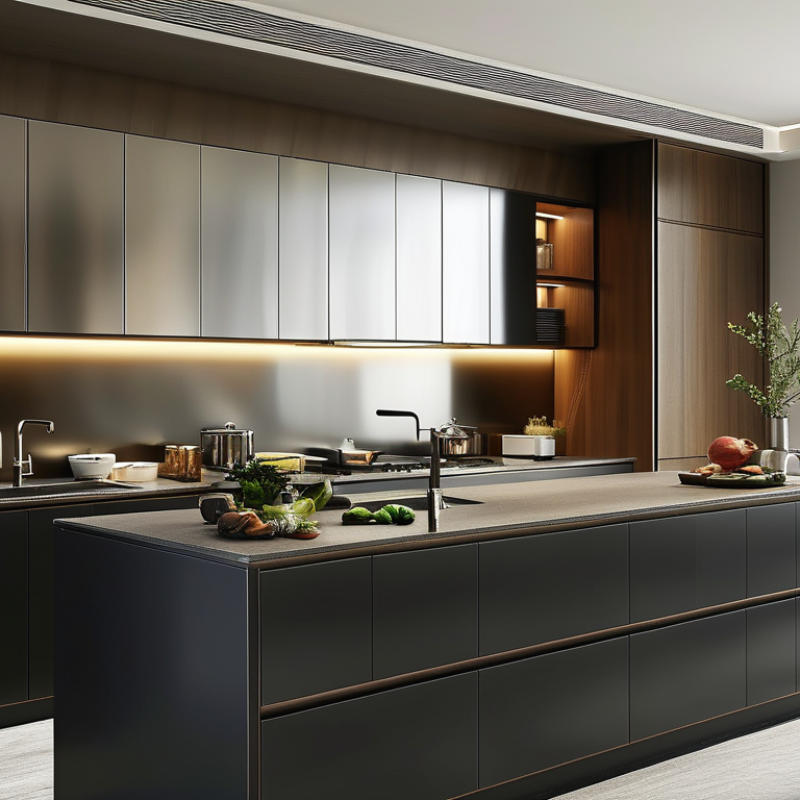
Cabinet hardware design has transformed significantly over the years, adapting to changing tastes and technological advancements. In modern kitchens, minimalism reigns supreme. Clean lines and simple forms continue to dominate. This reflects a broader trend towards streamlined spaces. The focus is on functionality without sacrificing style. However, some designs still exist that seem to overlook practicality.
Innovative materials are gaining traction in cabinet hardware. Many homeowners opt for brass and matte finishes that offer both durability and elegance. Textured surfaces have also emerged, adding a tactile element. Yet, there’s a risk of certain textures becoming difficult to maintain. Many designers suggest considering the balance between aesthetics and upkeep before making selections.
Sustainability is a growing concern. Eco-friendly materials are increasingly popular in hardware choices. Some traditional materials may fall short in this regard. Adopting sustainable practices in design can lead to more mindful selections. However, it's essential to evaluate the longevity of new materials against their environmental impact. Kitchen designs that harmonize with nature represent a hopeful shift, but the path is not without challenges.
The trend toward sustainable materials in cabinet hardware is gaining momentum as we approach 2026. The market has seen a shift, with approximately 62% of consumers prioritizing eco-friendly options. This reflects a growing awareness of environmental impacts. While many manufacturers are adopting recycled metals and bamboo, not all brands maintain consistent quality. This inconsistency can lead to frustrations for homeowners seeking durable choices.
Wood alternatives are becoming increasingly popular. They offer a warm aesthetic along with sustainability. However, the availability of high-quality composites varies significantly across suppliers. Recent studies suggest that using sustainable materials can reduce carbon footprints by up to 30%. Yet, some products still lack full transparency in sourcing, leaving customers questioning their true ecological impact.
As designers embrace new materials, it's essential to remain critical. Not all sustainable options are created equal. Retailers need to improve sourcing standards. Additionally, the challenge of balancing style and sustainability is ongoing. Many beautiful designs incorporate non-renewable resources, which can overshadow their green claims. It's vital to scrutinize these choices as we aim for more responsible kitchen upgrades in 2026.
| Trend | Description | Sustainability Aspect | Popularity Rating (1-10) |
|---|---|---|---|
| Natural Wood Finishes | Emphasis on authentic wood textures and finishes. | Utilizes reclaimed wood. | 9 |
| Recycled Metals | Cabinet knobs and handles made from recycled metal. | Reduces environmental impact. | 8 |
| Biodegradable Plastics | Hardware made from plant-based or biodegradable materials. | Minimizes plastic waste. | 7 |
| Minimalist Designs | Sleek, simple lines with no intricate details. | Focus on longevity and durability. | 9 |
| Matte Finishes | Soft, non-reflective surfaces. | Often made from eco-friendly paint. | 8 |
| Vintage Revival | Incorporation of retro and vintage hardware styles. | Supports upcycling of old materials. | 7 |
| Colorful Hardware | Brightly colored knobs and handles. | Use of low-VOC paints. | 6 |
| Smart Hardware | Tech-integrated hardware for convenience. | Promotes energy efficiency. | 9 |
| Sustainable Sourcing | Materials sourced from sustainable practices. | Supports global sustainability goals. | 10 |
| Ergonomic Designs | Designed for comfort and ease of use. | Enhances product life cycle. | 8 |
The cabinet hardware landscape is evolving rapidly. In 2026, innovative finishes will take center stage. Matte finishes offer a sleek appeal. They hide fingerprints and create a soft look. Textures like brushed metal and distressed surfaces add depth. These finishes can transform ordinary cabinets into focal points.
The demand for unique designs is on the rise. Mixed materials are becoming popular. Combining metal with wood or glass introduces contrasting textures. This trend brings warmth to modern kitchens. However, it’s important to consider durability. Not all finishes withstand wear and tear equally.
Functionality should not be overlooked amid the aesthetic focus. Hardware needs to be easy to grip and use. Streamlined designs often enhance usability but may sacrifice tactile feedback. Reflecting on how these choices affect daily life is crucial. Choosing the right finishes and textures requires careful thought. Practicality should blend seamlessly with beauty.
In the ever-evolving landscape of kitchen design, functionality and ergonomics have become essential. Modern kitchen hardware now prioritizes ease of use and comfort. Designers are incorporating softer edges and thoughtfully shaped handles, making daily tasks more intuitive. This shift reflects a growing awareness of how our environments affect our daily routines.
Space-saving solutions are vital in today’s kitchens. Consider pull-out shelves or recessed handles. These innovations make cabinets more accessible, especially in tight spaces. Plus, they reduce strain on the body while reaching for items. A well-designed kitchen should feel effortless.
When choosing hardware, think about the materials as well. Stainless steel and high-quality plastics can offer durability and comfort. Look for textures that provide a good grip. Smooth surfaces may look sleek but can be slippery. Evaluate how each piece feels in your hand. This reflection can lead to better choices that enhance your kitchen experience.
In modern kitchens, smart cabinet hardware is gaining traction. Homeowners seek convenience and enhanced functionality. Imagine opening a cabinet with a simple voice command or a discreet touch sensor. This technology not only adds a modern flair but also improves accessibility for everyone. Intuitive designs help maintain a sleek kitchen aesthetic, aligning with contemporary preferences.
However, integrating technology comes with challenges. Compatibility issues may arise with existing appliances. Additionally, users need to consider the learning curve associated with new devices. Some might find themselves frustrated with overly complex setups. Balancing utility and simplicity is crucial in achieving the desired kitchen atmosphere. Investing in robust yet straightforward technology can minimize ongoing maintenance issues.
The future of cooking spaces lies in smart solutions. As more homeowners adopt these advancements, the trend will evolve. Safety features must also be prioritized to avoid mishaps, especially in family kitchens. Reflecting on these aspects will ensure that smart hardware enhances both style and function in your kitchen.
: Eco-friendly materials are popular. Consumers prefer sustainable options like recycled metals and bamboo.
Not all sustainable options are high quality. Inconsistent quality can frustrate homeowners seeking lasting products.
Using sustainable materials can reduce carbon footprints by up to 30%. This is significant for sustainability efforts.
Yes, they are popular and offer warmth. However, the quality of composites varies greatly among suppliers.
Balance between style and sustainability is essential. Some designs prioritize looks over eco-friendly materials, which is misleading.
Matte finishes hide fingerprints and create a soft appeal. Textured surfaces add depth and interest to cabinets.
They introduce contrasting textures and warmth. Yet, durability varies, so consumers should assess their choices carefully.
Functionality is important. Hardware must be easy to grip and comfortable for daily use.
Reflecting on material choices is vital. Beauty should complement practicality for effective kitchen upgrades.
No, many products still lack transparency. This leaves customers uncertain about their environmental impact.
The article "Top 10 Cabinet Hardware Trends for Modern Kitchens 2026" explores the latest developments in cabinet hardware that are shaping contemporary kitchen designs. It highlights the evolution of cabinet hardware, emphasizing a shift towards sustainable materials that reflect environmental awareness in modern living. Innovative finishes and textures are gaining popularity, adding both aesthetic appeal and functionality to kitchen spaces.
Functionality and ergonomics take center stage, ensuring that hardware not only looks good but also enhances user experience. Additionally, the integration of smart technology into cabinet hardware signifies a growing trend in modern kitchens, catering to the needs of tech-savvy homeowners. Together, these cabinet hardware trends for modern kitchens not only enhance the visual appeal of the space but also improve its practicality and sustainability.
Batul Hardware