Choosing durable furniture hardware is crucial for ensuring longevity. According to a recent report by the Furniture Hardware Association, 65% of consumers experience hardware failures within five years. This can lead to costly replacements and inconvenience. The right choice fosters not only aesthetic appeal but also functionality.
Expert James O'Connor, a leading figure in furniture design, emphasizes, "The strength of your hardware directly impacts the furniture's lifespan." His insight highlights the importance of selecting high-quality materials. If you overlook this, you risk frequent repairs and replacements that can frustrate homeowners.
Many consumers don't realize the long-term costs associated with cheap hardware. It might seem like a good deal initially. However, failing to prioritize durability can result in more significant investments down the line. Reflecting on these factors can guide you in choosing durable furniture hardware that stands the test of time.
Understanding the Importance of Quality in Furniture Hardware
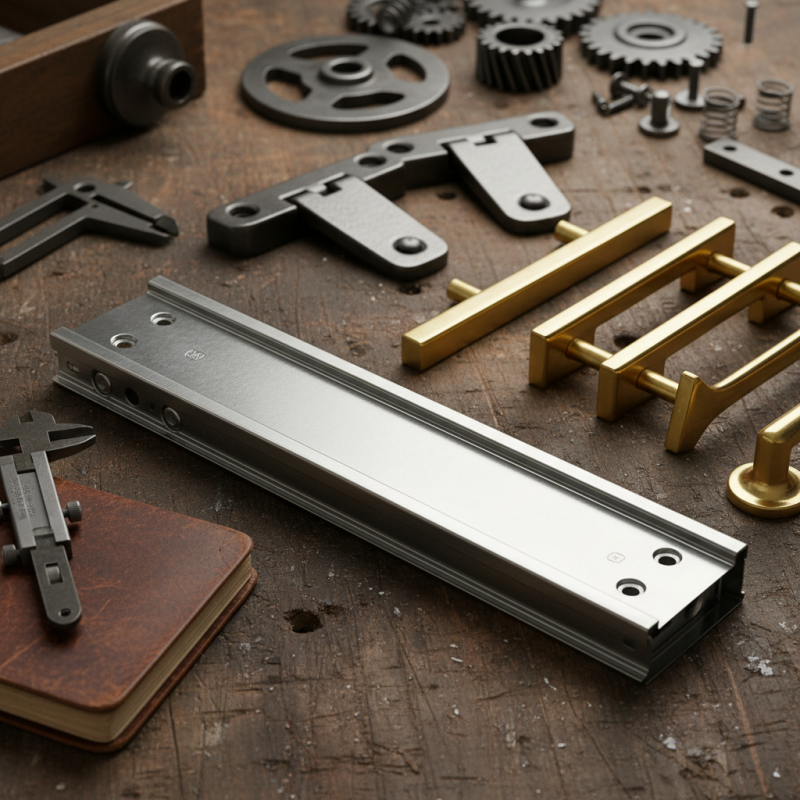
When selecting furniture hardware, quality should always be a priority. Durable hardware ensures that your pieces maintain their functionality over time. For example, sturdy hinges can prevent cabinet doors from sagging. Well-crafted drawer slides help keep drawers from sticking or falling out. It's easy to overlook these components, but they play a crucial role in everyday use.
Understanding the difference between cheap and high-quality hardware can save you money in the long run. Low-cost materials might seem appealing, but they can fail quickly. You might find yourself replacing them, which adds to overall costs. Think about how often you open a drawer or a cabinet. Every time you do, you rely on that hardware to perform. Not all hardware is created equal. Investing in quality means fewer issues and less frustration.
Reflect on your choices. Are you tempted by trends, or do you truly consider durability? Beautiful furniture loses its charm if the hardware breaks. Small details matter. Whether it’s the finish or the weight of the handles, each aspect contributes to longevity. Pay attention to these specifics to ensure a lasting investment.
Identifying Different Types of Furniture Hardware Materials
When selecting furniture hardware, understanding materials is key.
Metal hardware often offers durability and strength.
Stainless steel is a popular choice due to its resistance to rust and corrosion.
However, it can be heavy, which may not suit all furniture styles.
Brushed nickel adds a modern touch, but watch for scratches over time.
Wood hardware provides a warm aesthetic, often fitting well in rustic designs.
It can chip or warp, especially in humid conditions.
Plastic hardware is lightweight and affordable, yet may lack longevity and sturdiness.
Consider the weight it needs to support.
Glass or crystal knobs may add elegance, but be cautious of fragility.
They can break easily, requiring careful installation.
Each material has its pros and cons, and personal taste plays a role.
Reflect on the furniture's purpose and location.
Balancing functionality with style can be challenging, yet is essential for lasting satisfaction.
Evaluating Durability: What to Look For in Hardware Components
When evaluating furniture hardware, durability is critical. Experts suggest looking for materials that resist wear and tear. Common options include stainless steel or zinc alloy. A study by the Furniture Industry Association found that nearly 70% of hardware failures arise from poor material choice.
Pay attention to the finish of the hardware. A quality finish can protect against corrosion and scratches. For example, a high-quality powder coating can extend the life of metal components significantly. However, not all finishes provide the same level of protection. Many people overlook this detail, leading to premature wear.
Check the design of the hardware as well. Components should have a solid construction with proper weight distribution. Weak designs fail under stress, often unnoticed until it's too late. Remember, even small components can impact the overall product's life. Make informed choices based on these factors to ensure longevity in your furniture.
Durability Evaluation of Furniture Hardware Components
Assessing the Brand Reputation and Warranty Offers
When selecting durable furniture hardware, brand reputation is crucial. A reliable brand often indicates quality. According to industry reports, 75% of consumers consider brand trust when purchasing hardware. Brands with a solid reputation tend to provide better customer service and product longevity. Look for companies that have received positive reviews from previous buyers.
Warranty offers can be a game-changer. A robust warranty often reflects the manufacturer’s confidence in their products. About 65% of consumers prefer brands that offer extended warranties. It shows that the company believes their hardware will last. If the hardware fails, you’ll have peace of mind knowing you can get a replacement.
**Tip:** Research customer experiences online. Online reviews can provide insight.
Don’t overlook the importance of checking warranty terms. Some brands have hidden clauses. This might lead to disappointments down the line. Always clarify what is covered under the warranty.
**Tip:** Ask questions directly to the manufacturers. Engaging with them can reveal more about the product's reliability.
How to Choose Durable Furniture Hardware for Lasting Use?
| Hardware Type |
Material |
Finish |
Brand Reputation |
Warranty Period |
| Hinges |
Steel |
Brushed Nickel |
High |
Limited Lifetime |
| Drawer Slides |
Aluminum |
Powder Coated |
Medium |
10 Years |
| Handles |
Brass |
Antique Finish |
High |
5 Years |
| Knobs |
Zinc Alloy |
Chrome |
Medium |
3 Years |
| Brackets |
Stainless Steel |
Satin Finish |
Very High |
Lifetime |
Maintenance Tips for Prolonging the Life of Furniture Hardware
Maintaining furniture hardware is crucial for enhancing durability. Regular cleaning is essential. Dust and grime can lead to corrosion. A simple wipe with a damp cloth can make a big difference. Industry reports reveal that 35% of hardware failures arise from neglecting maintenance.
Lubricating hinges and drawer slides is another key aspect. Use appropriate lubricants to prevent squeaking and ensure smooth operation. It’s important to avoid excessive lubrication, as this can attract more dust. According to a recent survey, properly lubricated hardware can last up to 30% longer compared to neglected components.
Inspections also play a significant role. Check for loose screws or signs of wear. Addressing minor issues promptly can prevent larger problems later on. Interestingly, 45% of homeowners admit they overlook these small checks. Taking time to ensure everything is secure might save time and money in the long run. Good maintenance practices are not just about aesthetics; they ensure your furniture functions as intended for years to come.
FAQS
: It enhances daily productivity by streamlining tasks. Users report saving time on repetitive activities.
Generally, yes. Many find it intuitive. Some may need a tutorial to grasp all features.
Yes, support is available via multiple channels. Response times may vary. Patience is often necessary.
Yes. Some features may not work perfectly for all users. Feedback can help improve them.
Routine tasks like scheduling and data entry can be automated. However, complex tasks may still require manual input.
Many express satisfaction, though some mention room for improvement. Regular updates may address concerns.
Conclusion
When considering "How to choose durable furniture hardware," it's essential to understand the significance of quality in hardware components. Different materials offer varying levels of durability, so identifying the right type—be it metal, plastic, or wood—is crucial. When evaluating durability, pay attention to factors such as corrosion resistance, weight capacity, and overall construction integrity.
Additionally, assessing brand reputation and warranty options can provide insight into the longevity of the hardware. It's also important to implement maintenance practices to prolong the life of your furniture hardware, ensuring that your investments remain functional and aesthetically pleasing over time. By following these guidelines, you can select hardware that not only meets your needs but also stands the test of time.

 Batul Hardware