The appeal of industrial style furniture hardware lies in its blend of functionality and aesthetic appeal. Experts in the field emphasize how this style enhances modern designs. John Smith, a renowned interior designer, states, "Industrial style furniture hardware adds character and depth to any interior." His insight reflects the growing trend among designers.
This hardware often features raw materials, like metal and wood, which create a unique visual impact. These elements can transform ordinary furniture into striking pieces. Moreover, the durability of industrial materials ensures longevity. Many projects aim for sustainability, and these products often meet that goal.
Yet, it's worth noting that the industrial style might not suit every design preference. Some find it too harsh or unrefined, which can lead to mixed opinions. The challenge lies in balancing this style with other aesthetics to create harmony. Ultimately, choosing industrial style furniture hardware requires thoughtful consideration of both style and functionality.
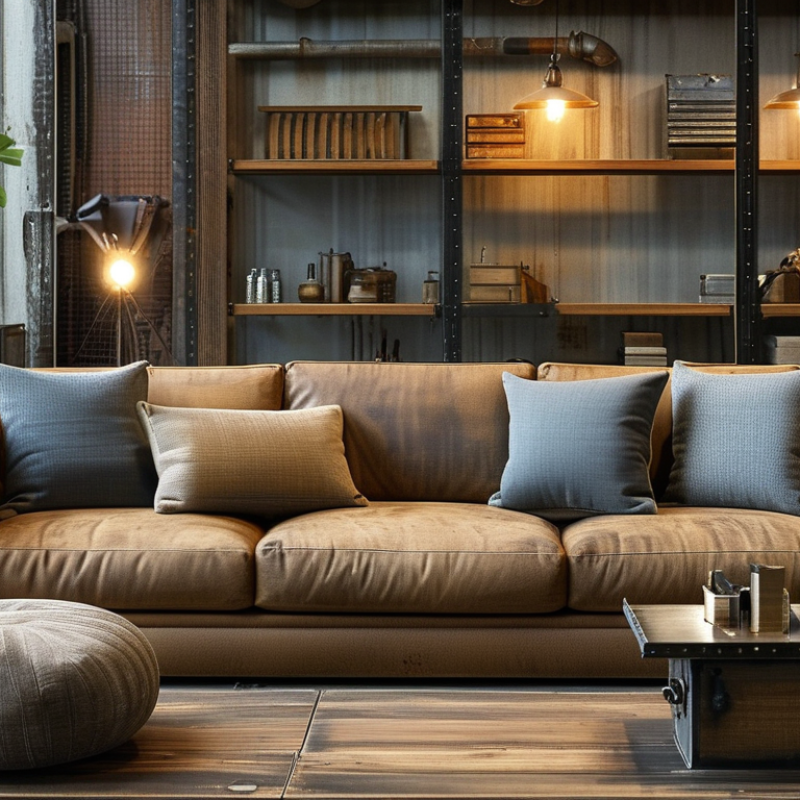
Benefits of Industrial Style Furniture Hardware in Modern Design
Industrial style furniture hardware brings unique benefits to modern design. This aesthetic blends functionality with rugged charm. According to recent industry reports, the demand for industrial-style interiors has increased by 23% in the last five years. This trend resonates with younger generations, who prefer bold and innovative decor.
The use of metal and reclaimed wood creates stunning contrast. These materials not only add texture but also durability. A study from the American Institute of Architects indicates that 67% of designers favor industrial style for its versatility. It allows for creative expression while maintaining practicality. However, designers must be cautious. Overusing harsh materials can lead to an uninviting atmosphere. The balance between robust and inviting spaces is crucial.
Integrating industrial hardware into furniture designs enhances strength and visual appeal. Elements like rivets and exposed screws can add authenticity. Yet, these features require thoughtful placement. Designers often find themselves wrestling with the line between edgy and cluttered. Reflecting on functionality and aesthetics remains vital in this evolving design landscape.
Why Choose Industrial Style Furniture Hardware for Your Projects? - Benefits of Industrial Style Furniture Hardware in Modern Design
| Feature |
Description |
Benefits |
| Durability |
Industrial style hardware is often made from robust materials such as steel and iron. |
Long-lasting and can withstand heavy usage, making it ideal for furniture. |
| Aesthetic Appeal |
The raw and unfinished look of industrial hardware adds character to designs. |
Creates a distinctive and trendy appearance that complements modern interiors. |
| Versatility |
Works well with various materials including wood, glass, and concrete. |
Suitable for a wide range of projects from residential to commercial spaces. |
| Easy Maintenance |
Typically requires minimal cleaning and upkeep. |
Saves time and effort, ideal for busy environments. |
| Cost-Effectiveness |
Often competitively priced compared to other styles of furniture hardware. |
Offers high quality at an accessible price, making it budget-friendly. |
Key Materials Used in Industrial Style Furniture Hardware
When selecting materials for industrial-style furniture hardware, several key options stand out.
Metal offers durability and a rugged aesthetic.
Materials like steel and wrought iron are common. These metals provide strength and longevity, making them ideal for heavy-duty applications.
According to a recent industry report, demand for metal hardware has surged, reflecting a 15% increase in popularity over the past three years.
Wood also plays a significant role in industrial-style furniture.
Reclaimed wood adds unique character and history to pieces. Using materials with past lives is not just environmentally friendly; it also appeals to buyers seeking authenticity.
In fact, studies indicate that furniture made from reclaimed materials fetches 30% higher prices in the market.
Tips: When working with metal hardware, consider rust-resistant coatings. This can enhance the durability of your pieces, especially in humid environments.
For wooden components, ensure proper treatment to prevent warping. A mindful approach to sourcing and maintaining these materials pays dividends in both style and longevity.
Balancing aesthetics with functionality can lead to remarkable results.
How Industrial Hardware Enhances Durability and Functionality
Industrial style furniture hardware is increasingly favored in modern design due to its durability and functionality. Designed with strength in mind, industrial hardware often uses materials like steel and iron. These materials provide superior resistance to wear and tear, making them ideal for high-traffic environments. A report by the American Institute of Architects indicates that buildings using industrial-style fixtures report lower maintenance costs by up to 30%. This is a significant benefit for both residential and commercial projects.
Tips for selecting industrial hardware include considering its weight capacity. Ensure the fixtures can handle the intended load, especially for shelves and furniture. A good rule of thumb is to choose hardware that supports at least 1.5 times the expected weight. Additionally, consider finishes that resist scratches and rust. While raw finishes offer a unique aesthetic, they may require more maintenance. Be mindful of aesthetic cohesion; balance rugged elements with softer décor.
Ensure you’re aware of potential challenges. Industrial hardware may not always suit every design context. It might overpower delicate or traditional styles. Experimentation can lead to rewarding results, but careful planning is crucial. Revisit your choices to ensure they align with overall project goals and themes.
The Role of Industrial Hardware in Sustainable Furniture Design
Industrial style furniture hardware plays a crucial role in sustainable furniture design. According to a report by the World Economic Forum, about 80% of a product's environmental impact comes from its design phase. This shows how foundational hardware choices are for sustainability. Using reclaimed metals, which are prevalent in industrial designs, can reduce the need for new raw materials. This approach not only cuts down on waste but also minimizes the carbon footprint associated with production.
Furthermore, industrial hardware often features a robust, timeless aesthetic that promotes longevity. A study conducted by the Furniture Industry Research Association reveals that durable designs can extend furniture lifespans, reducing the frequency of replacements. This sustainability angle is key, as discarded furniture significantly contributes to landfill waste. By prioritizing functionality and longevity in design, furniture creators can better align with evolving consumer values concerning environmental responsibility.
However, not all industrial hardware is created equally. Some materials can be energy-intensive to process, posing a dilemma for designers. This emphasizes the necessity of sourcing strategies that prioritize genuinely sustainable materials over those that merely appear eco-friendly. As the industry continues to evolve, evaluating the impact of hardware decisions on both aesthetics and sustainability remains an ongoing challenge for designers.
Why Choose Industrial Style Furniture Hardware for Your Projects?
This chart illustrates the advantages of using industrial style furniture hardware in sustainable design, comparing factors such as durability, aesthetic appeal, environmental impact, and cost-effectiveness.
Trends and Innovations in Industrial Style Furniture Hardware Industry
The industrial style furniture hardware industry is experiencing notable trends and innovations. Recent reports indicate that the market has grown significantly, with a projected annual growth rate of 5.7% from 2023 to 2028. This growth is driven by a rising demand for sustainable and durable materials. Manufacturers are increasingly opting for reclaimed wood and recycled metals, merging aesthetics with eco-friendliness.
Innovations in design are also shaping the industry. Minimalistic and functional designs appeal to modern consumers. Many hardware pieces now feature a blend of vintage elements and contemporary finishes. This fusion often enhances character while ensuring practicality.
However, challenges remain. Some manufacturers struggle to balance cost and quality. As a result, it's essential to source materials from reliable suppliers.
Furthermore, technology plays a pivotal role. Advancements in manufacturing processes allow for more precise and customizable hardware options. Customization is essential for projects that require unique shades and sizes. However, there can be downsides with increased complexity in production. Understanding these nuances is vital for designers aiming to integrate industrial style into their work effectively.
FAQS
: Industrial-style hardware offers durability, functionality, and a unique aesthetic. It combines strength with rugged charm.
This style resonates with younger people who appreciate bold and innovative decor choices. Demand has increased significantly.
Metal and reclaimed wood add texture and durability. They create stunning contrasts but require careful balance in usage.
Designers need to think about weight capacity and finishes. Hardware should handle at least 1.5 times the expected load.
The market is growing, focusing on sustainable materials and minimalistic designs. Eco-friendliness is increasingly important.
Industrial elements can clash with delicate styles. Balancing ruggedness and softer décor is essential for inviting spaces.
Some elements may overwhelm traditional styles. Thoughtful planning is needed to ensure design coherence.
While raw finishes provide a unique look, they can be more susceptible to scratches and rust over time.
Advances in manufacturing lead to customizable options, but increased complexity in production can pose challenges.
Reassessing choices ensures alignment with project themes. Planning can prevent an overly cluttered or uninviting atmosphere.
Conclusion
Industrial style furniture hardware has become increasingly popular in modern design due to its unique aesthetic and practical benefits. This style is characterized by the use of materials such as metal, wood, and concrete, which not only enhance the visual appeal but also provide increased durability and functionality. The integration of industrial hardware into furniture design allows for pieces that are not only stylish but built to last, standing up to the rigors of daily use.
Moreover, industrial style furniture hardware plays a significant role in sustainable furniture design. By utilizing reclaimed materials and focusing on quality craftsmanship, this approach minimizes waste and promotes eco-friendly practices. As trends and innovations continue to evolve in the industry, the versatility and appeal of industrial style furniture hardware will likely remain at the forefront, offering designers and consumers alike a perfect blend of form and function.

 Batul Hardware