Choosing between retail and wholesale furniture hardware can be challenging. This decision impacts both costs and quality. Tim Hargrove, an expert in the furniture industry, emphasizes, “Understanding the nuances in retail vs wholesale furniture hardware can save you money and time.”
Retail options often provide a personal touch. They offer a variety of styles and finishes tailored to consumers. Customers can touch and feel products, enhancing their shopping experience. However, retail prices tend to be higher. The convenience comes at a cost, and buyers should weigh this against their budget.
Wholesale purchases often require bulk commitments, making them budget-friendly. However, the selection may be limited. Sourcing directly from wholesalers can feel impersonal. This difference can deter some buyers. Reflecting on your unique needs is crucial. Assess what matters most—cost, quality, or service. Understanding your priorities will guide you in the retail vs wholesale furniture hardware debate.
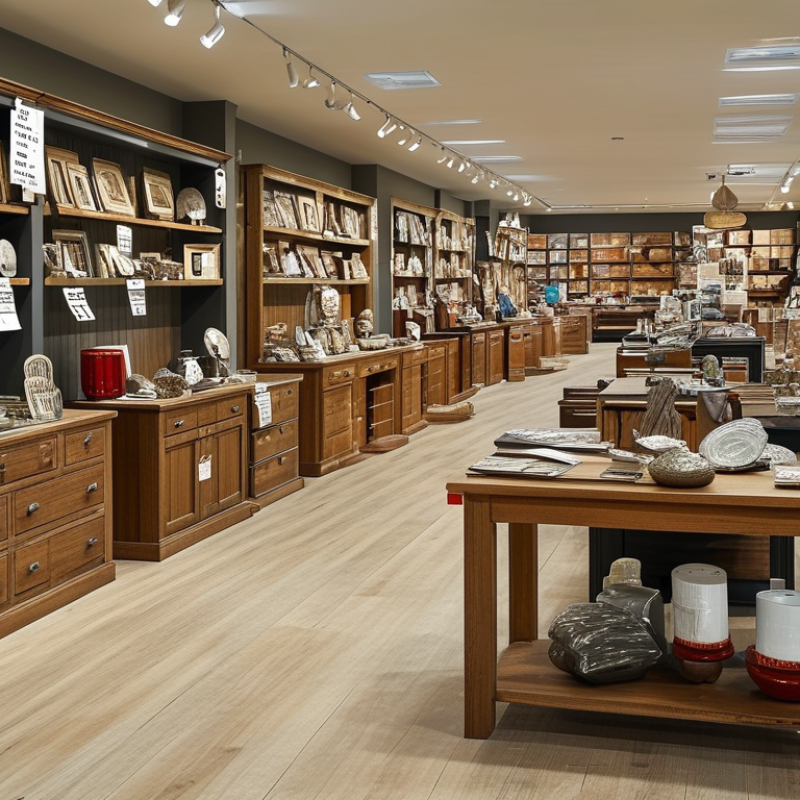
When navigating the world of furniture hardware, understanding the basics of retail versus wholesale can shape a designer’s purchasing decisions. Retail generally serves individual consumers, offering smaller quantities and higher prices. In contrast, wholesale provides bulk options aimed at business buyers, often at discounted rates. For instance, industry reports indicate that wholesale furniture sales accounted for approximately 70% of market sales in 2022.
Working in the retail sector typically means more personalized service. Sales teams can offer tailored advice based on customer needs. However, limited inventory may restrict choices. For professionals, wholesale purchases allow access to a wider variety of materials and styles. Yet, this requires a larger upfront investment. The balancing act between price and selection often leaves buyers pondering their ideal path.
Here are some tips to streamline your decision-making:
When deciding between retail and wholesale furniture hardware, cost is a significant factor. Retail prices often include overhead costs like display and marketing. Retail outlets may offer a wide selection. However, prices can be considerably higher than wholesale options. This difference can amount to significant savings, especially for large projects.
Wholesale prices are generally lower. They target bulk buyers, which reduces the overall cost. However, accessibility may be limited for individual customers or small projects. It’s essential to consider shipping fees, especially with bulk orders. Evaluating the total cost of ownership is crucial here. Hidden fees in retail can make seemingly cheap items more expensive in the long run.
You should reflect on your needs. Do you require a few pieces or an entire suite? Smaller purchases can match up well with retail options. Wholesale may look appealing but could become complex if the minimum order quantity is too high. Weighing immediate needs versus long-term goals can guide this choice effectively.
When choosing between retail and wholesale furniture hardware, evaluating quality and selection becomes crucial. Retail hardware often boasts a carefully curated selection. This can be appealing for those seeking specific styles or unique finishes. The experience of browsing through showrooms can also offer inspiration. However, retail prices may reflect higher markups, which can strain budgets.
On the other hand, wholesale options tend to offer a broader range. Wholesale suppliers may provide more generic styles, lacking the finesse of retail collections. But they often excel in price and availability. The emphasis is on bulk purchasing, which can benefit larger projects or businesses. Yet, the downside may include limited hands-on experience with products before buying.
Ultimately, the choice hinges on your unique needs. Some prefer the expertise found in retail spaces, while others prioritize wholesale affordability. Balancing these factors can help ensure a satisfying purchase, but be prepared to face some uncertainty in quality. It’s essential to research, seek reviews, and even visit multiple suppliers to make the best decision.
Identifying your furniture hardware needs starts with understanding your project. Are you assembling new furniture or repairing old pieces? This distinction helps narrow down your options. For instance, you may need screws, hinges, or locks. Knowing what you need makes your search easier and more effective.
A buying strategy is equally important. Decide whether to go retail or wholesale based on your budget and quantity needs. Retail is straightforward for small projects. However, wholesale offers savings for bulk purchases. Be aware that not all wholesale suppliers guarantee quality. It's vital to assess their credibility. Reading reviews and seeking recommendations can enhance your decision-making.
Remember, the right hardware can transform your furniture. Yet, the wrong choices can lead to frustrating results. Reflect on your past purchases. Did they meet your expectations? Use these insights to guide your future shopping experiences. Balancing cost with quality requires careful thought.
Choosing between retail and wholesale furniture hardware involves assessing customer service and support. These factors can significantly impact your purchasing experience. Retail channels often provide more personalized service. You get immediate help from knowledgeable staff. This can be crucial when you have specific questions or need guidance on choosing the right products.
In contrast, wholesale services may lack that personal touch. Customers might find it challenging to get assistance. It often depends on the volume of your order. If you are buying in bulk, you might receive less attention. This can lead to misunderstandings about product specifications or delivery timelines.
Tips: Identify your needs clearly. If you value service, retail might be best. When looking for cost-effectiveness, explore wholesale. Communication is key. Ask questions and clarify doubts before making a decision. Don't hesitate to seek support, regardless of the channel you choose.
| Aspect | Retail | Wholesale |
|---|---|---|
| Pricing Structure | Higher prices due to lower volume | Lower prices for bulk purchases |
| Customer Service | Personalized support with product guidance | Limited direct support, often self-service |
| Shipping Options | Quick shipping, often free over a certain amount | Longer lead times, bulk shipping discounts |
| Return Policy | Flexible return policy | Strict return policy, often non-returnable |
| Product Range | Wide range of options available | Limited variety, focus on bulk items |
| Inventory Availability | Immediate availability | Dependent on order quantity |
: Retail serves individual consumers with smaller quantities, while wholesale targets businesses with bulk options at lower prices.
Start by understanding your project. Are you assembling new furniture or repairing old pieces?
Assess your budget and quantity needs. Retail is easier for small projects, while wholesale can save money in bulk.
Yes, not all wholesale suppliers guarantee quality. It’s crucial to check their credibility before buying.
Evaluate your needs, consider potential savings, and research vendors through reviews and testimonials.
Retail sales teams can provide tailored advice based on individual customer needs, enhancing the buying experience.
Yes, consider the possibility of excess inventory, especially when placing wholesale orders.
Reflect on whether previous purchases met your expectations. Use this insight to improve future choices.
Careful thought is required to ensure that the right hardware meets your furniture project needs without overspending.
Reliable testimonials can guide your options and help you avoid suppliers that may not meet quality standards.
When deciding between retail and wholesale furniture hardware, it is essential to understand the fundamental differences between the two options. Retail furniture hardware typically offers a wide variety of products at a higher price point, making it ideal for consumers looking for specific items. In contrast, wholesale furniture hardware provides bulk purchasing options at lower costs, appealing to businesses or individuals with larger projects.
Evaluating quality and selection is also crucial; while retail may offer more curated selections, wholesale options can provide high-quality materials necessary for substantial furniture builds. Identifying your specific needs and developing a buying strategy, along with considering customer service levels, are vital components in making an informed decision in the retail vs wholesale furniture hardware dilemma. Ultimately, the choice depends on your specific project requirements and budget constraints.

Batul Hardware