How to Choose Durable Furniture Hardware for Long Lasting Use?

Time:2026-08-19 Author:Henry
0%

Choosing durable furniture hardware is essential for long-lasting use. According to a report from the National Association of Home Builders, nearly 25% of homeowners regret not investing in quality hardware. This regret often stems from frequent replacements and repairs. Quality hardware enhances not just the furniture's lifespan but also its usability and appearance.

When delving into how to choose durable furniture hardware, it’s important to consider materials like stainless steel and solid brass. These materials resist corrosion and wear, ensuring longevity. A study by the American Institute of Architects indicates that durable hardware can reduce overall maintenance costs by 30% over time. However, many consumers overlook the long-term benefits and opt for cheaper options, which can lead to frustration.

Durability isn’t just about materials; design plays a role too. Well-designed hardware can withstand daily use and enhance functionality. It’s crucial to blend aesthetics with durability. In contrast, some choices might seem appealing but lack the strength needed for everyday use. Reflecting on these aspects can lead to more informed decisions. Understanding how to choose durable furniture hardware ultimately impacts your investment in quality and satisfaction.
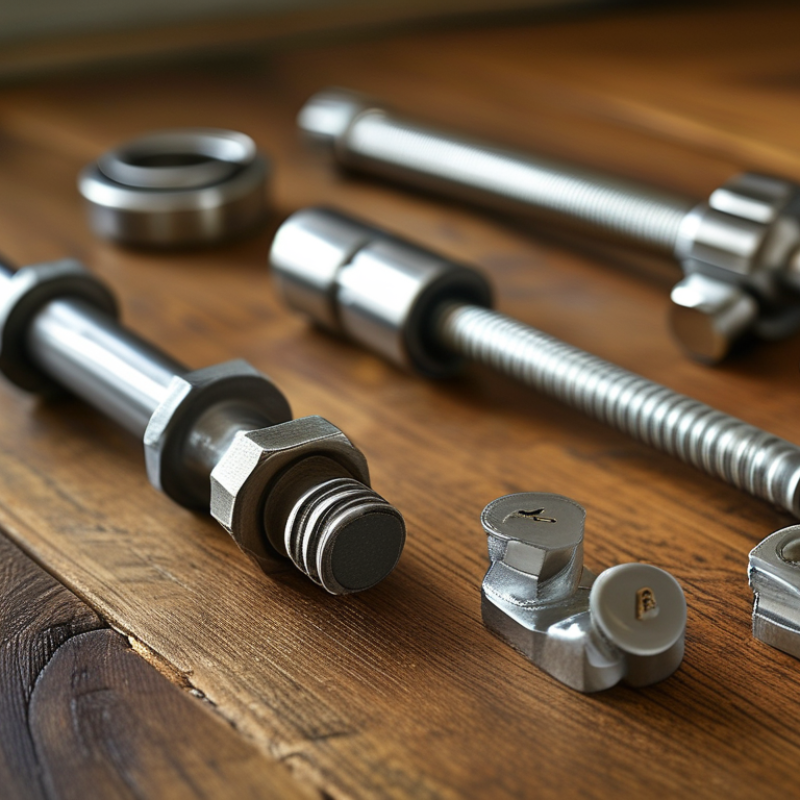
How to Choose Durable Furniture Hardware for Long Lasting Use?

Understanding the Importance of Durable Furniture Hardware

Choosing durable furniture hardware is essential for long-lasting use. It ensures that your furniture withstands daily wear and tear. High-quality hardware can enhance the overall stability of your furniture. When selecting hardware, look for materials such as stainless steel or solid brass. These materials resist rust, corrosion, and damage. Quality finishes also contribute to durability, making your pieces look better for longer.

Understanding the importance of durable furniture hardware can prevent future headaches. Poor-quality hardware might lead to squeaks, wobbles, and breaks. These issues often require costly repairs or replacements. Investing in durable options is a proactive step. It saves time and money in the long run. Additionally, examining the weight capacity of hinges and brackets is crucial. Overloading can lead to premature failure, highlighting the need for reliable hardware choices. Making informed decisions can offer peace of mind and protect your investment.

How to Choose Durable Furniture Hardware for Long Lasting Use? - Understanding the Importance of Durable Furniture Hardware

Hardware Type Material Strength Rating Corrosion Resistance Recommended Use
Hinges Stainless Steel High Yes Doors, Cabinets
Drawer Slides Carbon Steel Medium No Dressers, Desks
Handles Aluminum Medium Yes Cabinets, Drawers
Brackets Cast Iron Very High Yes Shelves, Furniture Support
Locks Brass High Yes Cabinet Security

Identifying Key Materials for Quality Furniture Hardware

Choosing quality materials for furniture hardware is essential for durability. Metal components like stainless steel and brass offer strong resistance to wear. They withstand rust and corrosion, making them ideal for kitchen and bathroom furniture. Even the smallest hardware, like hinges or screws, should be made of these robust materials.

Wooden furniture benefits from durable fasteners crafted from resilient alloys. These prevent splitting and ensure stability. Plastic may seem cost-effective, but it typically lacks longevity. It can warp or crack under stress. Assessing weight limits is crucial. Heavy-duty designs ensure that your furniture remains functional over time.

While aesthetics matter, focus on the durability of the materials. Decorative finishes might fade or chip with use. Consider how much wear and tear your furniture will face. Opting for higher quality materials can sometimes feel like an investment. Reflect on past experiences. Have you faced hardware failures? It’s time to prioritize longevity over trendiness.

Durability of Furniture Hardware Materials

Evaluating Different Types of Furniture Hardware for Longevity

When selecting furniture hardware, longevity is key. Different materials significantly impact durability. For instance, metal hardware often outlasts plastic options. Steel and brass are excellent choices for their strength and resistance to wear. On the other hand, uncoated metals can rust over time. Consider the finish; a protective coating can extend life.

Wooden furniture benefits from robust hardware. Dovetail joints and mortise-and-tenon joints offer sturdiness. Yet, they may require proper care. Frequent exposure to humidity can weaken the wood. Fasteners like screws and dowels should be corrosion-resistant. They can fail if not chosen wisely.

You may face dilemmas when prioritizing aesthetics over durability. A beautiful hinge might not withstand regular use. Often, a blend of form and function is ideal but hard to achieve. Evaluate your needs honestly. What are the trade-offs? Reflecting on these choices will lead to better purchases. Long-lasting hardware means your furniture remains functional and beautiful for years.

Assessing the Design and Functionality of Hardware Components

When selecting hardware components for furniture, design and functionality play crucial roles. Hardware must not only fit the aesthetic but also ensure durability. Research shows that nearly 70% of furniture failures are linked to hardware issues, which highlights the importance of quality parts. For instance, drawer slides should support substantial weight and withstand frequent use, requiring materials like stainless steel for corrosion resistance and longevity.

Considering ergonomics in design is essential. Handles and knobs should provide a comfortable grip, particularly for heavy doors or drawers. Studies indicate that poorly designed hardware can lead to user frustration and even injuries over time. It's critical to evaluate not just the appearance but also how the hardware feels in everyday use. Investing in well-crafted components can mitigate these issues and prolong the life of your furniture.

Reflecting on functionality, consider how often each piece will be used. Heavy-duty hinges may be necessary for frequently accessed cabinets, while lighter options could suffice for decorative pieces. Not all hardware will suit every purpose. It's important to engage with these choices thoughtfully. Despite initial costs, durable hardware offers long-term savings by reducing replacement frequency.

Maintenance Tips to Extend the Life of Furniture Hardware

To maintain durable furniture hardware, regular cleaning is essential. Dust and grime can accumulate over time, leading to wear and tear. Use a soft cloth to wipe down metal and wooden components. Avoid harsh chemicals that may erode finishes. A mild soap and water solution can effectively remove dirt without damaging the hardware. Ensure you dry everything completely to prevent rust on metal parts.

Lubrication is another key aspect of maintenance. Hinges, sliders, and knobs benefit from periodic lubrication. A few drops of a suitable lubricant can make a significant difference in their functionality. It reduces friction and prevents squeaking. However, too much lubricant can attract dust, creating build-up. Finding the right balance is crucial.

Pay attention to signs of wear. If a knob feels loose or a hinge sticks, address these issues promptly. Sometimes, tightening screws can resolve problems. Other times, replacement might be necessary. Regular inspections of your furniture will help you catch these issues early. An attentive approach keeps your furniture hardware functioning smoothly and extends its life.

FAQS

: Why is it important to choose quality materials for furniture hardware?

: Quality materials enhance durability. They resist wear, rust, and corrosion. This is crucial for long-lasting furniture.

What materials are recommended for furniture hardware?

Stainless steel and brass are ideal. They provide strength and longevity against daily use.

Can plastic hardware be a good choice?

Plastic is often cost-effective but can warp or crack under stress. Its durability is generally inferior.

How does design affect the functionality of hardware components?

Design determines usability. Hardware should match aesthetics while ensuring durability for everyday tasks.

What should I consider regarding weight limits for hardware?

It's vital to assess weight limits. Heavy-duty designs ensure stability and functionality over time.

How can poorly designed hardware impact users?

Badly designed pieces lead to frustration and potential injuries. Comfort is key for handles and knobs.

Is investing in high-quality hardware worth it?

Yes, higher quality may seem costly upfront but can save money by reducing replacement needs later.

How often should hardware be evaluated for replacements?

Regular evaluations are wise. Reflect on experiences with hardware failures and consider ongoing usability.

What's more important, aesthetics or durability?

While aesthetics matter, durability should be prioritized. Consider wear and tear when making choices.

Are all hardware components suitable for every furniture purpose?

No, not all components fit every purpose. It's essential to choose thoughtfully based on functionality.

Conclusion

Choosing durable furniture hardware is essential for ensuring the longevity and reliability of your furniture. Understanding the importance of using high-quality materials is the first step, as certain materials directly influence the performance and lifespan of the hardware. It's crucial to evaluate various types of furniture hardware, as each type brings its own benefits when it comes to durability.

In addition to materials, assessing the design and functionality of hardware components plays a significant role in their effectiveness. Proper maintenance can significantly extend the life of furniture hardware, so adopting routine care practices is beneficial. By following these guidelines on how to choose durable furniture hardware, you can make informed decisions that will enhance the durability and overall quality of your furniture.

Henry

Henry

Henry is a dedicated marketing professional with a profound expertise in the company's offerings. With years of experience in the industry, he possesses an impressive understanding of the market dynamics and consumer behaviors that drive success. Henry is committed to sharing his insights through......