In the world of DIY furniture hardware projects, creativity meets functionality. Expert designer Jane Smith once said, “Every piece you create tells a story.” This captures the essence of transforming ordinary materials into something extraordinary.
Today, we can explore various DIY furniture hardware projects that not only enhance your space but also reflect your personal style. Projects can range from custom drawer pulls to unique shelving solutions. Each project offers a chance to learn and experiment with different techniques and materials.
However, these projects can sometimes lead to unexpected challenges. Perhaps the materials didn’t fit as planned, or the finish didn’t come out right. Embracing these imperfections is part of the journey. It encourages learning and growth in design skills. By reflecting on these experiences, we can improve future DIY furniture hardware projects, making each one a step toward mastery.
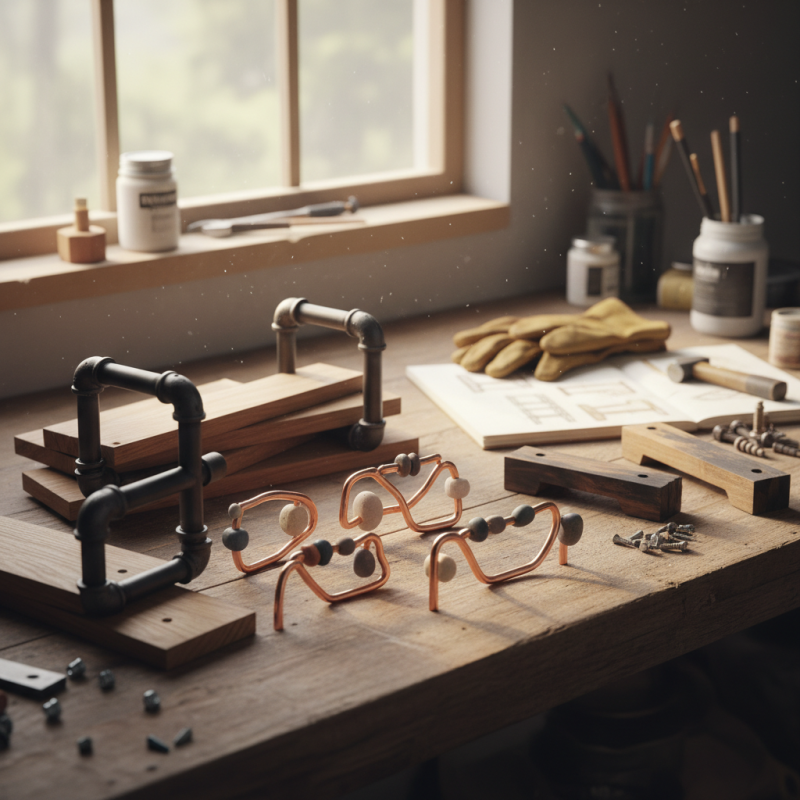
When diving into DIY furniture hardware projects, having the right tools and materials is crucial. According to recent industry reports, approximately 65% of DIY enthusiasts cite inadequate tools as a reason for unfinished projects. Assembling a robust toolbox can significantly enhance your efficiency. Key tools include a drill, a set of screwdrivers, pliers, and a saw. Many projects can be simplified with the right equipment, such as a level or clamps to ensure accuracy.
Materials also play an essential role in the outcome of DIY furniture creations. High-quality wood, metal brackets, and durable finishes are important for longevity. Around 70% of DIY projects fail due to poor material selection. Ensure you choose sustainable materials that can withstand wear and tear. Upcycling old furniture is also a trend, offering both creativity and environmental benefits. Keep in mind that experimentation is part of the process. Not every attempt will yield perfect results, and learning from these experiences can lead to better craftsmanship in the future.
Creating custom drawer pulls can transform your furniture into unique pieces. Many homeowners now choose DIY projects, as 72% report satisfaction in personalizing their spaces. This guide offers steps to make your own drawer pulls that fit your style perfectly.
Begin by selecting the right materials. Wood, metal, or acrylic are popular choices. Cut the material to your desired shape and size. Sand down any rough edges for a smooth finish. High-quality finishes are crucial. Consider a coat of paint or varnish to ensure longevity. Professional reports suggest that custom hardware can increase a piece's value by up to 25%.
Tips: Use a drill press for accuracy. If you make a mistake, don’t rush. Reflect on your design and adjust as needed. Remember to measure twice, cut once, a mantra that saves time and effort. This project may seem daunting, but with patience, anyone can create beautiful drawer pulls. Turn your vision into reality, one step at a time.
Upgrading your cabinet hardware can dramatically transform your space. Many homeowners overlook this simple yet impactful DIY project. According to a recent study by the National Association of Home Builders, kitchen remodels, including hardware updates, can return up to 75% of your investment. This shows that the right changes can enhance both aesthetics and value.
Consider switching out outdated knobs for modern pulls. A sleek handle can change the entire feel of a kitchen. Additionally, using mixed materials, such as wood and metal, can create a striking contrast. However, it’s crucial to size new fixtures correctly. Poorly fitted hardware can lead to frustration and hinder functionality.
Not every choice will resonate with all homeowners. Some may prefer traditional designs over contemporary ones. Realizing your style is key. This is where DIY comes into play. You can explore options, experiment, and even make mistakes. Embrace the process. Trust your instincts and take your time. The journey of upgrading your cabinet hardware will be just as rewarding as the end result.
| Project Name | Materials Needed | Estimated Time | Skill Level | Cost Estimate |
|---|---|---|---|---|
| Wooden Drawer Pulls | Wood, Sandpaper, Paint/Stain | 2 hours | Intermediate | $15 |
| Industrial Pipe Shelves | Plywood, Pipe Fittings, Screws | 3 hours | Advanced | $50 |
| Leather Drawer Liners | Leather, Scissors, Adhesive | 1 hour | Beginner | $25 |
| Custom Cabinet Doors | Plywood, Hinges, Paint | 5 hours | Advanced | $100 |
| Upcycled Furniture Legs | Old Furniture, Paint, Sandpaper | 4 hours | Intermediate | $30 |
Creating your own furniture legs can be a rewarding DIY project. It allows you to customize the height, style, and material to match your home décor. According to the Home Improvement Research Institute, DIY home improvement projects grew by over 20% in the past year. This trend highlights how many people are willing to invest time and creativity into their living spaces.
When crafting furniture legs, consider the materials. Solid wood legs offer durability and beauty, while metal legs can provide an industrial touch. You can also experiment with various finishes, such as sanding or painting. A study by the National Association of Home Builders reveals that well-crafted wood furniture can last decades. However, it’s essential to account for potential imperfections. Uneven legs can cause wobbling, so always measure twice and cut once.
Tips: Always select wood that is straight and free of knots. Use clamps to hold pieces together during assembly. This method ensures accuracy and strong joints. Don't be afraid to test different designs and heights. It’s part of the learning process. Embrace mistakes; they often lead to unique solutions. Remember, the goal is not perfection but creating something personal and functional.
Creating personalized furniture can be a rewarding experience. One effective way to add a unique touch is by crafting your own handles and knobs. These features serve as both functional elements and decorative details. Using materials like wood, metal, or ceramic allows for endless possibilities in design.
Start by selecting a base material that inspires you. For example, reclaimed wood can provide a rustic charm. Metal offers a sleek and modern aesthetic. Consider shapes that reflect your personal style. Round knobs provide a classic look, while geometric shapes can be bold and contemporary. Remember that imperfections in the materials can add character.
Don’t forget about color. Painting or staining your handles can transform their appearance. Experimenting with different finishes can help achieve the desired look. It’s essential to keep the scale in mind. Handles that are too large may overpower your furniture, while tiny knobs might go unnoticed. Reflection on these aspects can guide your decisions. Embrace the process, as each attempt contributes to your craftsmanship.
: It can dramatically transform aesthetics and increase your home's value.
Switching outdated knobs for sleek pulls can enhance the overall feel.
Yes, poorly fitted hardware can lead to frustration and hinder functionality.
You can select from contemporary, traditional, or even mixed materials like wood and metal.
Measure twice and cut once to avoid uneven legs that cause wobbling.
Solid wood or metal legs allow customization of durability and style.
Absolutely, mistakes can lead to unique solutions and personal creations.
You can experiment with different finishes, like sanding or painting for a personalized touch.
Using clamps during assembly helps ensure accuracy and strong joints.
The goal is creating something functional and personal, not achieving perfection.
In "Top DIY Furniture Hardware Projects You Can Create Today," readers are introduced to a range of engaging and practical initiatives aimed at enhancing home décor through personalized touches. The article begins by outlining the essential tools and materials required for successful diy furniture hardware projects, emphasizing the importance of preparation in achieving quality results.
Following this, a step-by-step guide is provided for crafting custom drawer pulls, encouraging creativity and individuality. Additionally, innovative ideas for upgrading cabinet hardware are explored, allowing for a fresh look without the need for a complete overhaul. The article also delves into building your own furniture legs, promoting a tailored approach to furniture design. Lastly, it highlights the process of crafting unique handles and knobs, giving readers the chance to personalize their furniture further. Overall, the article inspires readers to take on these exciting diy furniture hardware projects, making their home truly their own.

Batul Hardware