In an era where security threats are increasingly sophisticated, understanding lock furniture hardware security tips is vital for both homeowners and businesses. According to a report by the Bureau of Justice Statistics, nearly 30% of property crimes involve unauthorized entry, highlighting the importance of robust locking mechanisms. Properly installed and maintained lock furniture hardware can serve as a formidable barrier against intruders.
Experts emphasize that not all locks are created equal. Many common locks can be easily bypassed by determined thieves. A study by the Security Industry Association shows that over 40% of burglaries occur through unlocked doors. By investing in high-quality locks and understanding their features, individuals can better protect their properties.
Additionally, regular assessments of existing hardware can reveal vulnerabilities. Often, people overlook wear and tear on locks, which can compromise security. Enhancing your locking systems is not just about installation; it involves ongoing evaluation and improvement. Adopting effective lock furniture hardware security tips can lead to safer environments, reducing the risk of theft significantly.
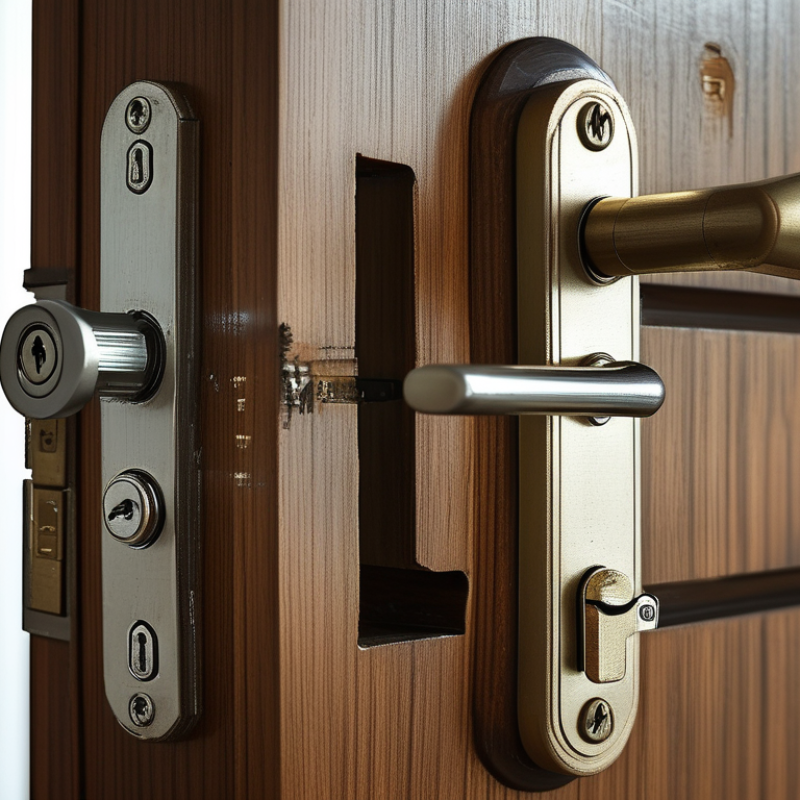
Lock furniture hardware security is essential for protecting valuable items. Basic understanding is key. According to a report from the Security Industry Association, nearly 30% of break-ins occur through unsecured entry points. This highlights the importance of robust locks.
Understanding different lock types is vital. Traditional pin tumbler locks are common, but they can be vulnerable. Smart locks are gaining traction, providing advanced features like remote access and monitoring. Data from Statista shows that smart lock adoption is projected to increase by 30% over the next five years. However, reliance on technology can sometimes lead to overconfidence.
Regular maintenance of lock hardware is often overlooked. Routine checks can ensure that locks function properly. A study by the American Locksmith Association indicates that 15% of lock failures are due to neglect. Even the best locks need care to remain effective against potential threats. Reflect on your current security measures; sometimes the simplest updates can greatly enhance safety.
Identifying vulnerabilities in lock furniture hardware is crucial for enhancing security. Start with a visual inspection. Look for signs of wear, rust, or damage. These weaknesses can be entry points for unauthorized individuals. Check how tight the screws are. Loose hardware can allow easy manipulation of the lock mechanism.
Next, consider the design and materials used in the hardware. Weak locks may use inferior materials that bend or break under force. Test the locking mechanism multiple times. Does it stick or feel unstable? These issues can signal a potential failure point. Additionally, evaluate the surrounding area. Poor lighting or obscured visibility can make even a strong lock vulnerable.
Conducting regular assessments is vital. A checklist can help identify small issues before they become major threats. Document any findings and make necessary adjustments. An ongoing review helps maintain a secure environment. Remember, even the best locks cannot compensate for poor implementation or outdated technology. Regular upgrades and meticulous inspections are essential for true peace of mind.
| Security Feature | Description | Vulnerability | Enhancement Tip |
|---|---|---|---|
| Deadbolt | A heavy-duty lock that provides additional security. | Can be forced open with tools like hammers or wrenches. | Install a high-security deadbolt designed to resist force. |
| Smart Lock | A lock that can be controlled via smartphone apps. | Vulnerable to hacking if not properly secured. | Regularly update firmware and use strong, unique passwords. |
| Security Plates | Metal plates that reinforce the door frame around the lock. | Can be pried away from weak doors. | Use plates that are tamper-resistant and fitted correctly. |
| Key Control | Keeping track of who has access to keys. | Lost or stolen keys can compromise security. | Implement a key management system and consider rekeying frequently. |
| Lock Cylinders | The part of the lock that accepts the key. | Low-quality cylinders can be easily picked or bypassed. | Use high-security cylinders with anti-pick and anti-drill features. |
Choosing the right type of lock is crucial for enhancing security in any space. Consider the materials and design when selecting hardware. A solid brass deadbolt can provide higher resistance against forced entry compared to a standard spring lock. Proper installation also plays a vital role; an improperly fitted lock can compromise security. Ensure that the strike plate is securely fastened too, as weak plates can be pried open easily.
Additionally, keyless entry systems are becoming popular. They offer convenience and can be programmed to limit access. However, electronic locks may require regular battery checks. Be aware of the potential for technological failures. It’s important to have a backup plan in place. Evaluating the layout of your property can also help identify vulnerable points.
Regularly review your locking mechanisms. With time, wear and tear might reduce their effectiveness. Seek professional advice if unsure about what locks are best for your needs. Investing time in understanding available options can significantly enhance your overall security.
When it comes to enhancing lock furniture hardware security, additional measures can make a big difference. Installing a high-quality deadbolt is a step that many overlook. A robust deadbolt can resist forced entry. Ensure that it fits securely into the door frame, minimizing any gaps.
Moreover, consider adding security accessories. For instance, a door viewer can help you see who is outside without opening the door. Reinforcing strike plates and using longer screws can also enhance strength. Small adjustments often bridge the gap between security and vulnerability.
Another practice is to regularly inspect your locks. Wear and tear can go unnoticed until it’s too late. Replace rusty or damaged hardware immediately. Being proactive not only protects your possessions but also boosts your overall sense of security. Remember, each layer of defense adds to your safety in measurable ways.
Regular maintenance and inspection are essential for ensuring the security of lock furniture hardware. Frequent checks can identify wear and tear, preventing issues before they become critical. Outdoor locks may rust, while indoor locks can accumulate dust. Regularly cleaning these components will help enhance their function and longevity.
Inspecting screws and fasteners is also crucial. A loose screw can compromise the entire lock. Tightening these elements ensures that your locks maintain their structural integrity. Consider using a lubricant specifically designed for locks to keep mechanical parts moving smoothly. Having a schedule for these maintenance tasks will instill discipline and enhance security.
Don’t overlook the importance of testing locks periodically. Sometimes a lock may seem fine but can fail unexpectedly. Engaging a professional for a detailed inspection can provide insights into hidden issues. This proactive approach creates a more secure environment, highlighting that even small oversights can lead to larger vulnerabilities.
: It protects valuable items and prevents break-ins, as 30% occur through unsecured entry points.
Traditional pin tumbler locks are common but vulnerable. Smart locks offer advanced features but require caution.
Regular maintenance is key. Neglecting locks causes 15% of failures. Routine checks ensure locks function properly.
Solid brass deadbolts resist forced entry better than standard spring locks. Material choice impacts security.
They provide convenience and limit access. Regular battery checks are essential to prevent failures.
Review locking mechanisms regularly. Seek professional advice to ensure effectiveness and identify weaknesses.
Proper installation is crucial. An improperly fitted lock can compromise security, so ensure everything is tightly secured.
Evaluate your property layout. Identify vulnerable points and address them to enhance overall security.
Yes, overconfidence in technology can lead to vulnerabilities. Always have a backup plan for electronic locks.
Absolutely! Reflecting on them can lead to simple updates that significantly enhance safety.
To enhance lock furniture hardware security, it's essential to first understand the fundamentals of security mechanisms and their design. Recognizing vulnerabilities in existing lock furniture hardware is crucial; doing so allows for the assessment and identification of weak points that may be exploited.
Choosing the right type of lock is a pivotal step in security enhancement, as it can significantly deter unauthorized access. Beyond selecting appropriate locks, implementing additional security measures, such as adding deadbolts or security accessories, can further bolster defense. Regular maintenance and inspection practices are vital for ensuring that all components function optimally and remain effective in guarding against potential threats. By following these lock furniture hardware security tips, one can create a safer environment.

Batul Hardware