10 Essential Furniture Hardware Color Matching Tips for Buyers?

Time:2026-05-16 Author:Ethan
0%

When it comes to selecting furniture, color matters immensely. The right colors enhance the aesthetic appeal and create a cohesive look. This is particularly true for hardware, often overlooked in the design process. A well-chosen hardware color can tie various elements of your furniture together, making it feel complete. To aid buyers in this complex decision, we present a comprehensive furniture hardware color matching guide.

This guide emphasizes the importance of understanding your environment. Different lighting and surrounding colors can drastically influence how hardware appears. Experimenting with various finishes can reveal unexpected results. Be open to exploring bold colors, but also reflect on how they blend with existing decor. Each selection should tell a story and resonate with your personal style.

In the journey of pairing hardware with furniture, imperfection might arise. Not every match will be perfect at first glance. It's crucial to analyze the textures, tones, and the overall vibe you wish to create. Reflect on your choices—it’s all part of finding the right fit. Embrace the process and allow it to guide you toward a beautifully coordinated space.
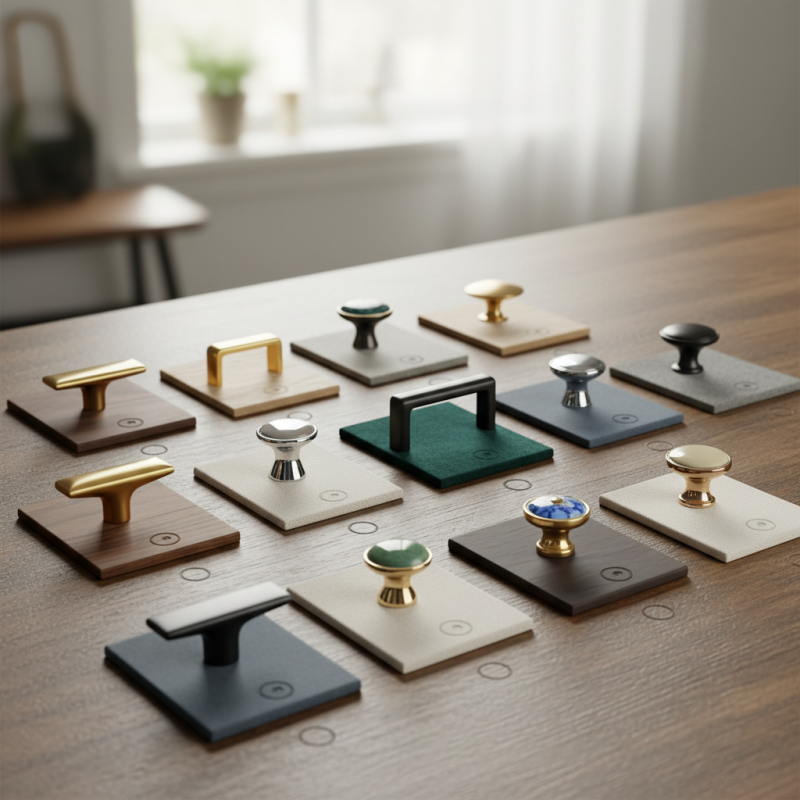
10 Essential Furniture Hardware Color Matching Tips for Buyers?

Understanding the Basics of Furniture Hardware Color Matching

Color matching in furniture hardware is a nuanced process. It requires an understanding of the relationship between various elements in a space. For instance, consider how metals like brass and chrome interact with wood finishes. A mismatched combination can disrupt the harmony of a room. The goal is to create a cohesive look, where hardware complements rather than clashes with furniture.

When selecting hardware, think about the existing palette. Observe the colors present in your furniture and surrounding decor. Dark wood can benefit from lighter hardware to create contrast, while lighter woods may look best with darker finishes. Silver accents on warm-toned furniture might feel unnatural. Finding the right balance often involves trial and error, which is a valuable learning process. Don't be afraid to experiment with samples before committing.

Incorporate textures into your consideration. Matte finishes may provide a subtle elegance, while glossy surfaces offer a modern touch. The feel of each material can also influence the overall perception of color. It's easy to overlook these details, but they can significantly impact your design. Engage your senses and reflect on what resonates with your personal style. This mindfulness cultivates confidence in your choices, even amid uncertainty.

Identifying the Key Color Schemes for Furniture and Decor

Choosing the right color scheme for furniture and decor can transform any space. It's not just about aesthetics; it’s about creating a harmonious environment. Start by considering the main colors in your room. Are the walls light or dark? What about the flooring? The furniture hardware should complement these elements. Think about how warm tones can contrast with cooler shades to add depth.

Color matching is not always easy. Sometimes, what looks good in theory may not work in reality. Test samples in your space before committing. Observe how colors change with different lighting throughout the day. Don't overlook the role of texture and finish in your overall scheme. A matte black handle may demand different colors than a shiny brass one. This requires a delicate balance and keen observation.

In the end, remember that color preferences are often subjective. What appeals to one person might not to another. Embrace the imperfections in your choices. A mismatch can lead to interesting contrasts rather than looking out of place. The beauty of decor lies in its uniqueness and the stories the colors tell about you.

Tips for Coordinating Metal and Wood Finishes Effectively

Coordinating metal and wood finishes can be challenging yet rewarding. Understanding the material properties is crucial. Metal often reflects light differently compared to wood. Choose a metal finish that either complements or contrasts with the wood's color. For instance, a warm brass can pair beautifully with a rich walnut. On the other hand, a sleek chrome can create a striking effect against light oak.

Attention to texture also plays a significant role. A brushed metal finish adds a tactile element that can enhance the feel of the wood. Mixing different textures can create visual interest but requires careful thought. It's easy to end up with a look that feels mismatched. A combination of shiny and matte finishes can work if balanced well.

Lighting affects how these materials appear together. Natural light can soften harsh contrasts, while artificial lights may exaggerate them. Experiment with samples in your space before committing. Consider the overall aesthetic you want to achieve. Sometimes what looks great in theory may not work in practice. Don’t be afraid to experiment and reflect on what you’ve created along the way.

Exploring Contrasting vs. Complementary Color Choices in Hardware

When choosing furniture hardware, color plays a significant role in the overall aesthetic. Contrasting colors create bold statements. For instance, a dark cabinet paired with bright gold knobs draws attention. This dynamic can evoke excitement and modernity in any space. According to recent industry surveys, about 65% of homeowners prefer striking contrasts for a unique look. This trend has gained popularity, especially in contemporary design.

On the flip side, complementary colors offer harmony. Soft beige hardware on a light wood cabinet can create a seamless, elegant feel. Data shows that 55% of consumers opt for these subtler matches in traditional interior designs. Consumers often choose color schemes based on room purpose. For example, tranquil colors are favored in bedrooms, while vibrant hues are popular in social spaces.

Selecting the right hardware color involves balancing personal taste and design principles. Some buyers struggle with overwhelming options. The challenge lies in visualizing how hardware will fit into the overall theme. Understanding the difference between contrasting and complementary choices can guide buyers to make confident decisions. Proper color choices enhance not just aesthetics but also the emotional response to a space.

Common Mistakes to Avoid in Furniture Hardware Color Matching

Color matching in furniture hardware can be tricky. Many buyers overlook the importance of coordinating colors, leading to mismatched aesthetics. A study by the Furniture Industry Research Association found that 70% of consumers prioritize appearance when purchasing furniture. Ensuring that hardware complements the pieces is crucial for a cohesive look.

One common mistake is ignoring finishes. Not all black finishes are the same. The sheen—matte vs. glossy—can dramatically affect visual appeal. Another pitfall is failing to consider the surrounding environment. For example, warm wood tones might clash with cool metal hardware. This oversight can make even the best-quality furniture appear disjointed.

Buyers often forget to test out samples. Seeing colors in various lighting can change perception. A survey by the American Society of Interior Designers revealed that nearly 40% of buyers regretted their color choices after seeing them in their space. Avoiding these missteps requires careful planning and a keen eye for detail.

FAQS

: How important is color matching in furniture hardware?

: Color matching is crucial for creating harmony in a space. Mismatched colors can disrupt the overall look.

What should I consider when selecting hardware for furniture?

Observe the existing color palette in your room. Dark woods seem better with lighter hardware.

How can I experiment with color combinations?

Use samples to test colors in your space. This fosters a learning process through trial and error.

How do textures affect color matching?

Textures influence perception. Matte finishes offer elegance, while glossy surfaces add a modern touch.

Can color preferences vary among individuals?

Yes, color choices are subjective. What one person likes may not appeal to someone else.

How do lighting conditions influence color combinations?

Lighting changes how colors appear. Natural light softens contrasts, while artificial light may exaggerate them.

Is it okay to make mismatches in color?

Yes, imperfections can create unique contrasts that enhance a room’s character.

What materials should I focus on when matching?

Focus on both metal and wood finishes. Their interaction is key to achieving a cohesive look.

How can I avoid a mismatched look when coordinating finishes?

Mix textures carefully. A balanced approach with shiny and matte finishes can create visual interest.

Should I rely solely on theory for color matching?

No, practical testing in your space is essential. What looks good theoretically may not work well in reality.

Conclusion

This article serves as a comprehensive furniture hardware color matching guide, aiming to assist buyers in making informed decisions. It begins by outlining the fundamentals of color matching, highlighting the importance of understanding how different colors interact with various furniture and decor styles. Key color schemes are identified, providing a framework for coordinating finishes effectively.

Furthermore, the guide offers practical tips on harmonizing metal and wood finishes, emphasizing the balance between contrasting and complementary colors. By exploring common pitfalls in color matching, the article ensures that readers are well-equipped to avoid common mistakes. Ultimately, the purpose of this guide is to empower buyers with the knowledge they need to enhance their spaces through thoughtful furniture hardware color selections.

Ethan

Ethan

Ethan is a seasoned marketing professional with a deep expertise in our company's innovative product line. With a passion for sharing knowledge and insights, he takes the lead in regularly updating our corporate blog, where he explores industry trends, product features, and effective marketing......