When diving into furniture assembly, the importance of accurate installations cannot be overstated. Expert Mark Johnson, a well-known figure in the furniture industry, once stated, "Mastering furniture hardware installation tips is essential for a polished finish." This underscores the need for beginners to approach their tasks with a keen eye for detail and preparation.
Many homeowners often overlook the nuances of installing hardware correctly. Simple misalignments can lead to functional and aesthetic issues later on. Familiarizing oneself with various types of hardware is crucial. From hinges to drawer slides, each piece requires specific techniques for installation.
Moreover, beginners sometimes rush through the process. This haste can result in frustration and mistakes. Taking the time to read instructions and gather the right tools makes a significant difference. As you embark on this journey, remember that practice and patience are key. Embrace the learning curve, and your furniture projects will surely benefit.
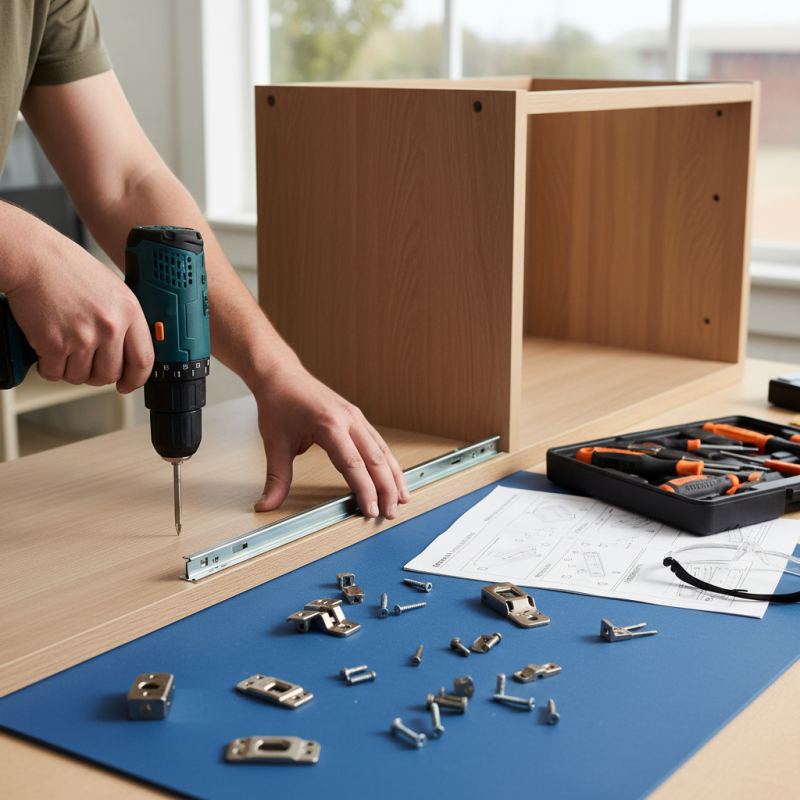
When it comes to installing furniture hardware, having the right tools is crucial. A reliable screwdriver is essential. Choose a type that fits the screws well. You'll want both flathead and Phillips to tackle various screws you might encounter. A hammer can come in handy too, especially for aligning parts. It's not always easy to get everything in place, and a few taps can help.
Don't forget to grab a measuring tape. Precision is key in installation. Misalignment can be frustrating. Measure twice to avoid scrapping materials. A level tool is also helpful. It ensures everything is straight. Nobody enjoys a wobbly table or crooked shelf. Taking the time to check your work pays off.
Lastly, consider having a drill for tougher materials. It can save time and effort. However, be cautious. Overdrilling can damage the furniture. Sometimes, simpler methods work best. If you feel unsure, practice on scrap material. Mistakes happen, but they can be learning opportunities. Keep your workspace organized. A cluttered area can lead to accidents.
Choosing the right hardware for your furniture is crucial for both functionality and aesthetics. According to industry reports, over 70% of successful furniture installations depend on using compatible and durable hardware. This statistic highlights the importance of selection. Think about the weight and purpose of your furniture piece. For instance, a heavy cabinet requires robust hinges and drawer slides, while lighter tables may need simpler options.
Tip: Always measure before you buy. Accurate dimensions can save you from future headaches. If you choose the wrong size, it may lead to instability. A mismatched bracket can ruin the overall look. Stress testing your selected hardware can prevent surprises during usage. It’s worth investing time into understanding your needs.
Moreover, many beginners overlook material compatibility. Wood, metal, and synthetic materials each have unique requirements. Reports indicate that misalignment due to improper material choice can lead to a 45% increase in repair costs. This is a reflection worth pondering. Choosing the right screws or anchors can seem tedious but plays a significant role in long-term durability.
Installing hinges and handles can seem daunting for beginners. However, with the right steps, it can be manageable. Start by gathering your tools: a screwdriver, a tape measure, and a level. Make sure your hardware matches the thickness of your doors. This can save you time and prevent frustration. Measure twice before cutting or drilling. Precision is key for a seamless fit.
When installing hinges, position them carefully. Place the top hinge approximately 6 inches from the top of the door. The bottom hinge should be 10 to 12 inches from the bottom. Use a level to ensure they are aligned. Mark the spots for screws lightly with a pencil. This minimizes mistakes. If the holes don't align perfectly, it’s okay. You can fill them in later. Remember to tighten screws but avoid over-tightening, which may strip the wood.
For handles, the height matters. A common measurement is 36 inches from the floor, but it varies. Always check that the handle aligns with the existing hole or that you plan to drill a new one. Use a drill for clean holes. If you miss the spot, it’s not the end. Just adjust. With patience and practice, your confidence will grow. Celebrate small victories, as they lead to mastering the craft of furniture hardware installation.
When installing furniture hardware, beginners often face hurdles. Learning how to troubleshoot common installation issues can make a difference. One issue might be misaligned holes, which can lead to frustration. Before drilling, double-check measurements. A tiny miscalculation can ruin the whole project. Don’t hesitate to start over if something seems off.
Another frequent issue is unclear instructions. Instructions can be confusing and vague. Read through them multiple times. If something doesn’t make sense, look for tutorials online. Watching a video can provide clarity that text may lack. Sometimes, it’s easy to overlook minor details, like missing washers or screws. Keep track of each piece.
Lastly, hardware might feel unsteady after installation. This can be disheartening. Check to ensure everything is tightened properly. If instability persists, reassess the installation process. Taking a moment to reflect on what went wrong can lead to improvement. Installing furniture hardware is a learning experience. Embrace the challenges and learn from them.
| Issue | Possible Cause | Solution |
|---|---|---|
| Loose Screws | Improper installation or over-tightening | Re-tighten screws firmly but not excessively |
| Misaligned Hinges | Incorrect positioning during installation | Remove and reposition hinges carefully |
| Doors Not Closing Properly | Hinge misalignment or faulty hardware | Adjust hinges or replace faulty hardware |
| Drawers Sticking | Incorrect installation or debris in tracks | Reinstall drawer slides and clean out tracks |
| Screws Stripped | Over-tightening or using the wrong size screw | Use a larger screw or toothpicks in the hole before retrying |
When installing furniture hardware, maintenance is crucial. Regularly check screws and fittings to ensure they remain tight. A loose handle can lead to wear and tear. According to a report from the Home Improvement Research Institute, nearly 30% of furniture damage stems from poor maintenance. Keeping watch over hardware saves you time and costly repairs.
Cleaning is another essential step. Use a soft cloth and mild cleaner to remove dirt. Avoid harsh chemicals to prevent damage. A survey indicated that over 40% of users neglect this simple task. This neglect leads to decreased hardware lifespan. Don't forget to lubricate moving parts periodically. This ensures smoother operation and reduces friction, extending their usable life.
Consider the environment as well. Humidity and temperature fluctuations can impact hardware performance. Keeping furniture in a stable environment is key. In cases of neglect, you may find yourself replacing hardware more frequently. It’s better to invest time in upkeep than to replace worn-out parts.
: Various products are available, including health supplements and fitness gear. Quality matters most.
Generally, customers need to be at least 18 years old. Sometimes, exceptions exist.
You will receive a tracking number via email after your order ships. Check your inbox.
Contact customer support immediately. Provide photos of the damage. They will guide you.
Yes, returns are accepted within a specific period. Read the return policy for details.
Changing an order can be tricky. Contact support as soon as possible. Not all changes are possible.
Multiple payment methods are available. This includes credit cards and online payment apps.
Safety measures are in place, yet no system is foolproof. Always be cautious with personal data.
Customer service can be reached via email or chat. Responses may take some time.
Look for the unsubscribe link in the email. It's usually at the bottom.
When embarking on a DIY project, mastering furniture hardware installation tips is crucial for achieving professional results. This guide outlines essential tools needed for installation and emphasizes the importance of choosing the right hardware to match your furniture style and functionality. A detailed, step-by-step approach to installing hinges and handles ensures a seamless process, while troubleshooting common installation issues prepares beginners for any challenges that may arise. Additionally, understanding how to maintain and care for installed hardware will extend its lifespan, ensuring that your furniture remains functional and aesthetically pleasing. Following these tips will empower you to tackle any furniture project with confidence.

Batul Hardware