In the evolving landscape of furniture design, choosing the right hardware is crucial. The "hinge furniture hardware buying guide" serves as a valuable resource. Renowned expert, James Anderson, states, “The right hinge can transform functionality and aesthetics in any furniture piece.” His insights emphasize the importance of these small yet significant components.
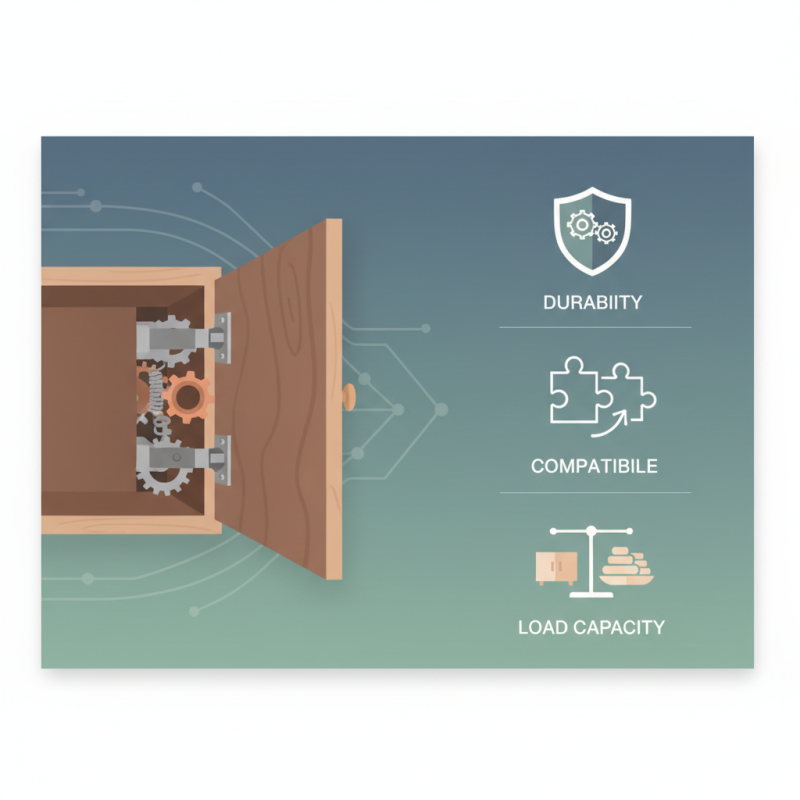
Selecting hinges may seem straightforward, yet many overlook key details. Different materials, styles, and load capacities are essential factors. Buyers should consider durability and compatibility with their furniture. Missteps in these areas can lead to functional or aesthetic issues down the road.
This guide aims to bridge the knowledge gap for global buyers. While many may feel overwhelmed by choices, informed decisions lead to better results. Ultimately, understanding the specifics of hinge furniture hardware is vital for creating long-lasting and visually appealing furniture.
Understanding Hinge Types and Their Applications in Furniture
When considering hinges for furniture, understanding the types available is essential. There are several common hinge types. These include concealed hinges, butt hinges, and pivot hinges. Each type serves a unique purpose depending on the furniture design and functionality. For instance, concealed hinges are usually used for cabinet doors, providing a clean look. In contrast, butt hinges are visible and often used for doors that need durability.
Here are a few tips to keep in mind when selecting hinges. Always match the hinges' finish to your furniture for a cohesive look. Consider the weight of the furniture; heavier pieces need sturdier hinges. Don't forget to test the hinge's functionality. Sometimes, the smoothness of operation can vary.
Hinge placement can also influence usability. Incorrect placement might make doors hard to open or close. It’s a common oversight that could lead to frustration. Measure everything carefully before installation. The right details can elevate your furniture design significantly. The wrong choice might lead to instability or breakage, so choose wisely. Keep these considerations in mind for a better buying experience.
Key Considerations When Choosing Hinge Hardware for Projects
When selecting hinge hardware for your projects, there are several key considerations to keep in mind. The type of
door or cabinetry will greatly influence your choice. For heavy doors,
sturdy hinges are a must. Lightweight doors can utilize smaller, more decorative options. Pay attention to weight capacity ratings specified by
manufacturers.
Another important factor is the material of the hinges. You will find options in stainless steel, brass,
and plastic. Stainless steel is both durable and resistant to corrosion, ideal for humid environments. Brass offers a classic look but may not
function well in specific climates. Plastic hinges can be lightweight and economical, but they might lack durability.
Compatibility is crucial. Ensure that the hinge fits well with existing door or cabinet designs. Measure accurately for seamless
installation. Consider aesthetics as well; the finish should complement the overall style of the furniture. Remember, a hinge's function is as important as its appearance,
so finding the right balance is essential for your project’s success.
Materials and Durability: Selecting the Right Hinge for Long-Term Use
When selecting hinges for furniture, material choice is crucial. Many hinges are made from steel, brass, or plastic. Steel offers strength, while brass adds a decorative touch. Plastic hinges are lightweight but may lack durability. A report from the International Journal of Industrial Engineering highlights that material quality significantly impacts hinge lifespan. For instance, stainless steel hinges tend to endure harsher environments without corroding.
Durability is not just about materials. The hinge design also plays a vital role. A poorly designed hinge can lead to issues over time. Inadequate load-bearing calculations can result in failure. Research shows that 30% of hinge failures are due to design flaws rather than material weakness. Buyers often overlook these factors. It is essential to consider load capacity and intended use.
Selecting the right hinge can prevent future problems. Hinge failure can lead to costly repairs or replacements. Visual inspection and quality certifications can guide better choices. A good hinge should withstand daily use without compromising functionality. Rely on industry standards to evaluate durability claims. Make informed choices to ensure long-term use and satisfaction.
Global Sourcing Tips for Cost-Effective Hinge Hardware Solutions
When sourcing hinge furniture hardware globally, cost-efficiency is paramount. Recent industry reports indicate that hinge hardware represents approximately 10% of overall furniture production costs. Buyers must identify reliable suppliers who can offer competitive prices without sacrificing quality. Conducting thorough research can uncover suppliers who utilize modern manufacturing techniques. This not only lowers costs but also enhances product durability.
Market analysis reveals that Asia is a leading manufacturing hub for furniture hardware, driven by lower labor costs and advanced technologies. However, it's crucial to evaluate potential suppliers rigorously. Many buyers face challenges like inconsistent product quality and delayed shipping times. Addressing these issues early can help prevent costly mistakes. Establishing clear communication with suppliers ensures you gain insight into their production processes and quality control methods.
In addition, understanding local regulations is vital. Compliance plays a significant role in determining the feasibility of imports. A recent survey noted that 30% of buyers encountered compliance-related delays. Being proactive about these factors can save you time and resources in the long run. Always question the sourcing process. Reflect on the trade-offs between cost and quality when making decisions.
Hinge Hardware Sourcing: Cost-Effective Solutions
Installation and Maintenance Best Practices for Furniture Hinges
When it comes to installing furniture hinges, it's crucial to understand the specifics of your project. Measure carefully before installation. A small miscalculation can lead to large gaps or misalignment. Ensure you have the right tools on hand. Think about using a power drill for efficiency. However, a manual screwdriver may offer better control in tight spaces.
Regular maintenance of your hinges is essential for longevity. Lubricate them every few months to prevent rust and ensure smooth operation. Pay attention to any signs of wear. If a hinge loosens, tighten it promptly to avoid further damage. Sometimes, you may need to replace worn-out hinges entirely. An unexpected squeak or resistance could signal that it’s time for a change.
Consider the environment where the furniture will be used. Humidity can affect hinge performance. Also, reflect on the weight of doors and lids. Heavier elements require more robust hinges. Balancing aesthetics and functionality can be challenging. Finding this balance is key. Each choice you make reflects back on your skills and attention to detail.
Conclusion
The "hinge furniture hardware buying guide" provides essential insights for professionals and DIY enthusiasts aiming to select the right hinges for their furniture projects. It begins by exploring various hinge types and their specific applications, highlighting the importance of understanding different mechanisms. Key considerations for choosing hinge hardware are discussed, including load capacity, mounting style, and aesthetic compatibility with furniture designs.
Moreover, the guide emphasizes the significance of materials and durability, advising on optimal selections to ensure long-term performance. To aid global buyers, it offers practical sourcing tips for cost-effective solutions that do not compromise on quality. Lastly, the article outlines best practices for installation and maintenance, ensuring that users can effectively incorporate hinges into their furniture designs while maintaining functionality over time.

 Batul Hardware