Choosing the right hardware for kids’ furniture is crucial for safety. Recent studies by the Consumer Product Safety Commission indicate that over 3.3 million children visit emergency rooms annually due to furniture-related injuries. These statistics highlight the need for parents to prioritize safety when selecting furniture. Kids-friendly furniture hardware options can significantly reduce the risk of accidents.
Parents should consider how furniture hardware can affect a child's safety. Options such as rounded edges, soft-close mechanisms, and non-toxic finishes can make a substantial difference. These features are not just about comfort; they mitigate hazards that could lead to injuries. However, some parents may overlook these factors in favor of aesthetics. This can result in regrettable choices that compromise their children's safety.
Understanding the importance of kids-friendly furniture hardware options goes beyond simple choice. It reflects a commitment to providing a safe environment for children. While cost may be a factor, investing in quality hardware pays off in peace of mind and avoidance of potential injuries. Thoughtful selection plays a vital role in creating a safe space for children to explore and grow.
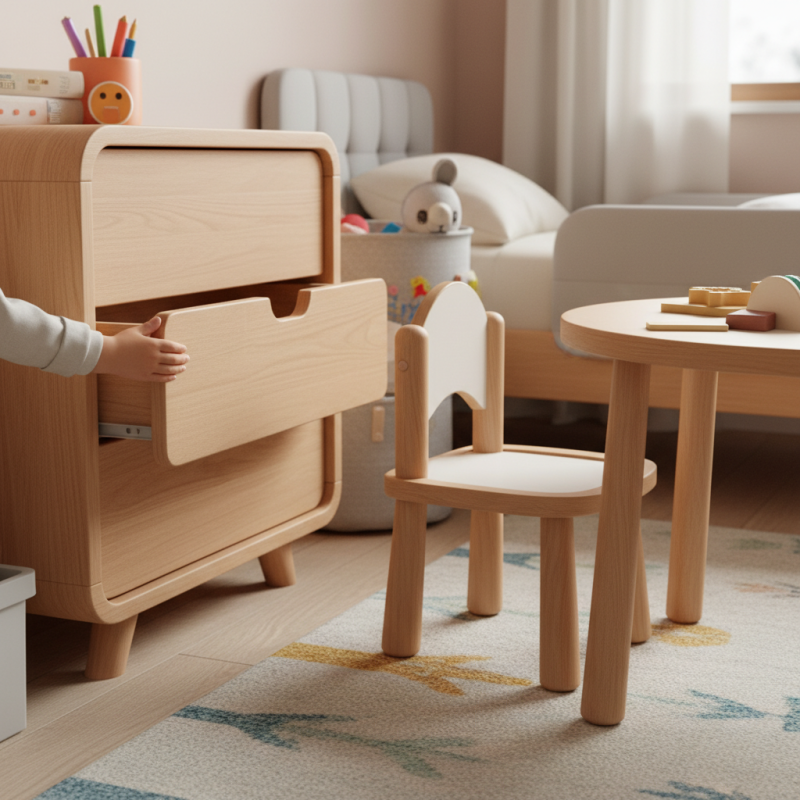
When it comes to children’s furniture, safety is paramount. The choice of hardware plays a crucial role in safeguarding kids from potential hazards. According to a report by the American Academy of Pediatrics, over 2.6 million children visit emergency rooms each year due to furniture-related injuries. Using kids-friendly furniture hardware can significantly reduce these risks, ensuring peace of mind for parents.
Children are naturally curious and prone to accidents. Therefore, furniture should be designed with their safety in mind. Features like rounded edges, soft-close mechanisms, and secure anchoring systems are essential. In fact, studies show that furniture designed with child safety considerations can decrease the risk of injuries by up to 30%. These protective measures are not just beneficial; they are critical investments for families.
The challenge lies in balancing aesthetics with safety. Some parents may find it tempting to choose visually appealing designs that lack essential safety features. This can lead to unsafe environments for children. Assessing furniture for age-appropriateness and hardware safety can help navigate these choices effectively. Investing in reliable hardware will create a safer space for children to explore and play freely.
: Safety is crucial due to the high risk of injuries among children. Each year, millions visit ERs for accidents.
Rounded edges, soft-close mechanisms, and secure anchoring systems are essential for preventing injuries.
Design choices must prioritize safety. Aesthetic appeal should not come at the expense of safety features.
Non-toxic finishes and durable hardware reduce risks. Soft close components prevent pinched fingers.
Yes, sustainable materials teach children about responsibility while enhancing safety. They also benefit the environment.
Assess usability and safety features based on the child's age. Some designs may not be suitable for younger kids.
Regular checks for stability and wear can prevent accidents. Look for rust or loose parts as potential hazards.
Compliance with safety regulations ensures quality and safety. Always check for necessary certifications before purchasing.
Reflection can foster awareness about safety and sustainability. It's crucial for creating a safe and responsible environment.
Balancing aesthetics and safety is often difficult. Parents must evaluate both visual appeal and safety features critically.
Choosing kids-friendly furniture hardware options is essential for ensuring a safe environment for children. Understanding the importance of such hardware involves recognizing the potential hazards in traditional furniture and opting for solutions that prioritize child safety. Key features of safe furniture hardware include rounded edges, non-toxic finishes, and secure locking mechanisms, all designed to minimize risks of injury.
Moreover, materials used in kids-friendly furniture hardware typically include durable, non-harmful substances that withstand everyday wear and tear while being safe for little ones. Adhering to safety standards and regulations further guarantees that the furniture is designed with children's safety as a top priority. For parents looking to select the right furniture hardware, practical tips include checking for certifications, choosing soft-close mechanisms, and ensuring that all components are securely fastened to prevent accidents. Ultimately, investing in kids-friendly furniture hardware options creates a nurturing and safe space for children to explore and grow.

 Batul Hardware