Top Modern Furniture Hardware Trends You Need to Know?

Time:2026-02-17 Author:Sophia
0%

In the dynamic world of modern furniture, hardware trends are evolving rapidly. Experts like Mark Johnson, a renowned designer in the field, emphasize that "hardware is the jewelry of furniture." His insight captures the growing significance of hardware in contemporary designs.

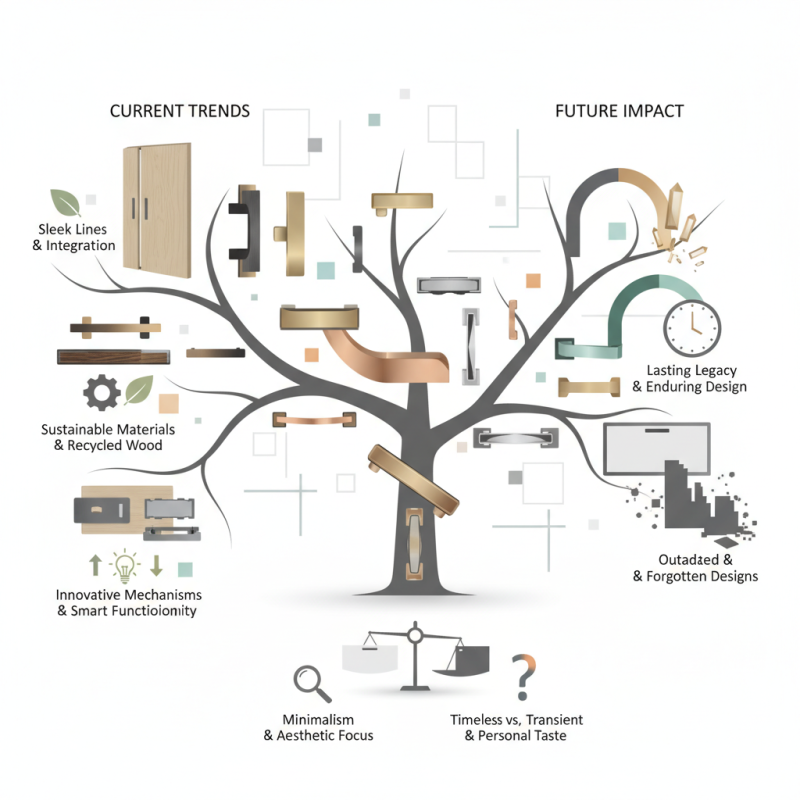
Modern furniture hardware trends are shaping how we perceive and use our spaces. Sleek lines, sustainable materials, and innovative mechanisms define this evolution. With the rise of minimalism, hardware plays a crucial role in enhancing functionality and aesthetics. However, not all trends resonate positively across the board. Some styles may quickly become outdated or clash with personal tastes, leading to reflections on individual preferences.

As we observe these shifts, it’s essential to consider the lasting impact of modern furniture hardware trends. Will they stand the test of time? Or will they fade into past designs, forgotten and replaced? This ongoing conversation reveals the complexities of style and functionality in our everyday lives.
Top Modern Furniture Hardware Trends You Need to Know?

Current Innovations in Furniture Hardware Design

The furniture hardware industry is witnessing exciting innovations. Designers focus on functionality while enhancing aesthetics. Ergonomic designs are now a priority. According to a recent report, 75% of consumers prefer hardware that combines both style and utility. This trend leads to more efficient home and office spaces.

Materials are evolving too. Metal, wood, and plastic are blending in unexpected ways. For example, soft-close mechanisms are now standard in high-quality designs. They reduce noise and wear, promoting longevity. Minimalist designs are gaining traction as well, with a focus on simplicity and elegance.

Tip: When selecting hardware, consider how it affects user experience. Look for products that are easy to manipulate and visually pleasing.

Another trend is sustainability. Many manufacturers are pursuing eco-friendly materials. This shift addresses consumer concerns. A survey revealed that 60% of buyers prefer sustainable options. However, some manufacturers still struggle with balancing cost and environmental impact.

Tip: Research the sourcing of materials. Transparency is crucial in making informed choices.

Sustainable Materials in Modern Furniture Hardware

Sustainability is a key focus in modern furniture hardware. Consumers are increasingly seeking pieces that not only look good but also reflect their values. The use of sustainable materials is becoming essential in the design process. Manufacturers are tapping into materials like reclaimed wood, bamboo, and recycled metals. These choices reduce environmental impact while enhancing the aesthetic.

When selecting furniture hardware, consider materials that help the planet. Recycled metal offers durability and strength while minimizing waste. Bamboo is lightweight yet sturdy, making it ideal for various designs. However, it’s important to note that not all bamboo is sustainably sourced. Always ask about the material's origin.

Keep an eye out for certifications. Labels like FSC or Recycled Content assure consumers that the products meet certain environmental standards. Another tip is to prioritize quality over quantity. Investing in well-made hardware reduces the need for frequent replacements. Remember, the goal is not only beauty but also a positive impact on the environment. Reflect on your choices and their long-term effects.

Smart Technology Integration in Furniture Hardware

The integration of smart technology in furniture hardware is transforming how we interact with our living spaces. Imagine a coffee table with built-in wireless charging pads or an office desk that adjusts its height automatically based on your posture. These innovations not only enhance functionality but also elevate the overall aesthetic of modern furniture. However, this shift presents challenges for some users. Not everyone is comfortable with complex tech, and simple solutions are often overlooked.

Moreover, smart furniture pieces often come with hidden costs. While they promise convenience, maintenance and potential updates might be cumbersome. People may face difficulty navigating features and functions. Many now rely heavily on their smartphones to control their furniture, which can feel disorienting. There’s beauty in simplicity, yet some designs complicate what should be straightforward.

Additionally, sustainability is another concern. Many smart items may not be environmentally friendly. The production of electronic components contributes to waste. Consumers are increasingly aware of their carbon footprints. Balancing chic designs with eco-conscious choices remains a challenge for manufacturers. The future of furniture hardware lies in more intuitive designs that respect both users and the planet.

Top Modern Furniture Hardware Trends You Need to Know

Trend Description Impact on Design Integration Examples
Smart Locking Mechanisms Integration of electronic controls for enhanced security and convenience. Offers minimalistic design without compromising security. Smart cabinets that unlock with a smartphone app.
Sustainably Made Hardware Use of eco-friendly materials in hardware production. Enhances furniture appeal by aligning with green consumer values. Recycled metals and bamboo hardware.
Modular Hardware Solutions Adaptive hardware systems for customizable furniture arrangements. Encourages creative configurations and personal style. Interchangeable legs, handles, and sections for diverse setups.
Built-in Lighting Hardware that integrates LED lighting for ambiance and functionality. Adds a modern touch while providing practical illumination. Illuminated shelves and cabinets.
Touchless Technology No-touch mechanisms such as push-to-open and automated drawers. Enhances user experience by reducing physical contact. Cabinets that open with a light touch or sensor.

Customization Trends for Personalized Furniture Solutions

Customization has become a pivotal trend in modern furniture design. Consumers increasingly seek personalized solutions that reflect their unique styles and needs. According to a 2023 industry report, 40% of consumers prefer customized furniture over mass-produced options. This shift toward individuality has spurred innovation in materials and design methods.

In recent years, designers have focused on modular pieces that allow for adjustments and modifications. Pieces are crafted with interchangeable components, reflecting the desire for flexibility. An estimated 55% of buyers are willing to pay extra for personalized touches, such as custom colors or sizes. Yet, realizing custom furniture solutions can be challenging. Manufacturers face difficulties in balancing consumer demand with production efficiency.

Sustainability remains a crucial factor. Customization often requires more resources and time, impacting environmental footprints. Recent studies indicate that 30% of consumers prioritize eco-friendly materials. While options are expanding, finding a balance between personalization and sustainability is an ongoing challenge for the industry. Consumers want choices, but the process can feel overwhelming and expensive. It's clear that the journey toward perfecting customized furniture is still in progress.

Aesthetic Versatility: Blending Form and Function in Hardware

Modern furniture hardware trends emphasize aesthetic versatility. Designers now prioritize blending form with function. This shift is reshaping spaces and user experiences. A recent industry report indicated that 70% of consumers consider both style and practicality essential when selecting furniture. This fusion elevates everyday items into focal points.

The demand for innovative materials continues to grow. Hardware made from eco-friendly options like bamboo and recycled metals is gaining traction. A study revealed that 40% of furniture buyers prefer sustainable materials. This aligns with broader environmental trends, pushing the industry toward more conscious choices. Yet, manufacturers still struggle with scalability. There’s a clash between craftsmanship and consumer demand for mass production.

Functionality isn’t solely about utility; it also involves ergonomics. Many new hardware designs focus on enhancing ease of use while maintaining visual appeal. A report showed that well-designed hardware improves user satisfaction by 50%. However, not all designs hit the mark. Aesthetically pleasing hardware can sometimes compromise usability. This presents a challenge for designers aiming to create impactful work. Balancing these elements requires ongoing reflection and creativity.

FAQS

: What is the main purpose of this product?

: The product aims to enhance daily convenience and improve user experience.

How do I use this product effectively?

Follow the instructions carefully for best results. Practice makes perfect.

Are there any risks associated with using it?

Some users report minor side effects. Always consult a professional if unsure.

Can this product work for everyone?

Results may vary. Not everyone experiences the same benefits.

What should I do if I encounter an issue?

Contact support for troubleshooting. Don't hesitate to seek help.

Is there a recommended duration for use?

Regular use is advised. However, listen to your body and adjust accordingly.

How should I store this product?

Keep it in a cool, dry place. Check for specific storage guidelines.

What if I forget to use it?

Missing a day isn’t catastrophic. Just resume your routine the next day.

Are there any alternatives available?

Yes, various options exist. Consider individual preferences before choosing.

Can I use this while traveling?

It’s portable, which is a plus. Be mindful of local regulations regarding use.

Conclusion

The article "Top Modern Furniture Hardware Trends You Need to Know" highlights several key areas shaping the future of furniture hardware design. Current innovations focus on integrating sustainable materials, promoting eco-friendly practices that enhance both functionality and environmental consciousness. Additionally, the integration of smart technology into hardware solutions is becoming increasingly prominent, allowing for improved user interaction and convenience.

Customization trends are also on the rise, enabling consumers to personalize their furniture hardware to match individual aesthetics and needs. This push for personalized solutions is complemented by a growing emphasis on aesthetic versatility, where designers aim to blend form and function seamlessly. Overall, these modern furniture hardware trends reflect a dynamic shift towards more innovative, sustainable, and customer-centric design practices in the furniture industry.

Sophia

Sophia

Sophia is a dedicated marketing professional with an exceptional depth of knowledge about her company's products and services. With a keen understanding of market trends and customer needs, she crafts insightful blog posts that not only inform but also engage readers, enriching the company’s online......