Restoring vintage furniture hardware can be a rewarding process. It brings back the charm of old pieces and adds character to your home. Vintage furniture hardware restoration requires patience and creativity. You might encounter challenges along the way, which are part of the journey.
Gathering the right tools is essential. Consider using a soft cloth, sandpaper, and a suitable paint or polish. Each piece you restore tells a story, often revealing layers of paint or rust. Don’t be discouraged if things don’t go as planned. Sometimes the unexpected can lead to beautiful results.
As you work, focus on the details. Each screw, handle, and hinge matters. They contribute to the overall aesthetic and function. Reflect on the history behind the hardware you are restoring. This mindfulness can deepen your appreciation for vintage craftsmanship. Embrace the imperfections. They are what make these pieces unique.
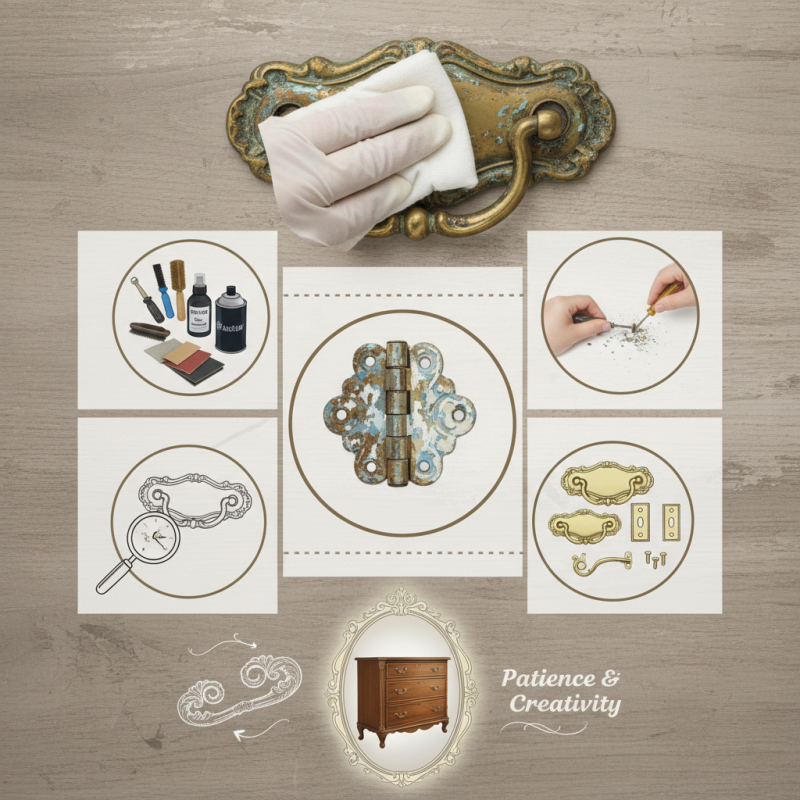
Understanding vintage furniture hardware can be quite intriguing. There are numerous types of hardware which can dress up a piece beautifully. Drawer pulls are common and vary in shape and size. They may be made from brass, porcelain, or even glass. Each material tells its own story.
Hinges are another essential part of vintage furniture. They are usually made from sturdy metals. Often, they show signs of wear, like rust or discoloration. These imperfections can add character. However, you might need to replace them if they are too damaged. Restoration requires patience. You might struggle to find the exact style.
Another popular type is the knob, which can greatly enhance aesthetics. Knobs come in various designs, from simple to ornate. Some vintage knobs are handmade and may have unique textures. They can be challenging to clean without damaging their finish. It may be worth experimenting with gentle cleaners. Restoring vintage hardware adds charm to furniture but requires careful consideration.
Evaluating the condition of vintage hardware is a crucial first step. Start by carefully inspecting each piece. Look for signs of rust or corrosion. These imperfections are evident, but they can also tell a story. A little rust may be charming, but extensive damage could require more work.
Next, check for dents or scratches. These are signs of age and use. Dents can often be pushed out, but scratches may need filling. Sometimes, it’s hard to decide if a piece is worth restoring. A heavily damaged handle may not meet your expectations. However, even imperfect hardware can add character to furniture. Remember, not all damage is bad. It can signal the piece’s history and uniqueness. Keep a discerning eye, but don’t shy away from repairs that might reveal hidden beauty.
When restoring vintage furniture hardware, having the right tools is essential. Start with a basic toolkit that includes screwdrivers, pliers, and a hammer. Each tool serves a purpose. For example, screwdrivers help remove and tighten screws, while pliers can grip small parts firmly. Be sure to use a soft cloth to avoid scratches on delicate surfaces.
Additionally, gathering cleaning supplies is crucial. A gentle cleaner, a soft brush, and polishing cloths work wonders. Cleaning hardware thoroughly reveals hidden details. Pay attention to rust and grime; they often mask the beauty of vintage pieces. Consider using a rust remover for stubborn areas. However, be cautious. Over-cleaning can damage original finishes.
Don’t overlook the value of patience. Repairs may not always go smoothly. You might find a broken piece that needs creative solutions. Sometimes, parts may not fit as expected. This demands a bit of trial and error. Embracing imperfections can lead to unexpected beauty in your restored piece. Each flaw tells a story, making your furniture unique.
| Tool/Item | Purpose | Quantity Needed | Estimated Cost |
|---|---|---|---|
| Screwdriver Set | To remove and replace hardware screws | 1 set | $10 - $20 |
| Pliers | To grip and bend various components | 1 pair | $8 - $15 |
| Preventive Oil | To lubricate and protect hardware | 1 bottle | $5 - $10 |
| Sandpaper | To smooth out rough surfaces | 5 sheets | $3 - $6 |
| Spray Paint | To refresh the color of the hardware | 1 can | $8 - $15 |
| Cloth Rags | For cleaning and applying products | 10 | $2 - $5 |
Restoring vintage furniture hardware can be rewarding. Start by gathering all necessary tools. You’ll need soap, water, a soft brush, and polish. Remove the hardware carefully. It’s easy to lose small screws or pieces during this step. Set them aside in a labeled container.
Cleaning comes next. Mix warm water with a mild soap. Use a soft brush to gently scrub the hardware. Pay attention to intricate designs where dirt hides. Rinse thoroughly and pat dry. Avoid harsh chemicals; they might damage the finish. Sometimes, the hardware may look worse after cleaning. Take a step back. Assess what can be improved.
Once dry, apply a suitable polish. This will bring out the shine. Yet, it’s easy to overdo it. Less is often more. Allow the polish to dry before reattaching. Check for any remaining imperfections. They add character to your vintage finds. Remember, not every detail needs perfection. Embrace the wear and tear; it tells a story.
Restoring vintage furniture hardware can be a rewarding project. To ensure it lasts, choosing the right protective finish is essential. Research indicates that applying a quality sealant can extend the life of restored hardware by up to 50%. Oil-based finishes provide a strong barrier against moisture and wear, while synthetic varnishes offer a durable, clear coat that doesn’t yellow over time.
An interesting study by the Furniture Restoration Association highlights that 70% of professional restorers prefer oil-based products for metal surfaces. They noted enhanced durability and a more authentic appearance. It's also important to remember that not all materials are compatible with every finish. Testing a small area is crucial to avoid unforeseen reactions. Inconsistent application can dull the finish or leave unsightly streaks.
When restoring, focus on surface preparation. Cleaning and properly sanding the hardware can reveal its original character. Yet, over-sanding can damage intricate details. Consider using finer grit sandpaper to maintain the vintage look. Lastly, allow ample drying time between coats. Rushing this step can lead to uneven results. Embrace the learning curve of restoration; each project teaches invaluable lessons.
: This service aims to connect users with valuable information and resources. It provides support in various areas.
You can access it through a user-friendly platform. Just follow the prompts to sign up.
The service may have fees depending on the features you choose. Always check before proceeding.
Yes, the platform is optimized for mobile use. You can access it anywhere, anytime.
You should reach out to customer support. They are available to help you resolve any problems.
The service takes privacy seriously. However, there’s always a risk when sharing personal data online.
The content is frequently updated to ensure relevance. However, there might be delays occasionally.
Yes, user feedback is encouraged. It helps improve service quality, but not all suggestions may be implemented.
If you forget your password, you can reset it through the recovery option. Follow the instructions provided.
Yes, you can cancel your account at any time. Be aware of any ongoing commitments or fees before you do.
Restoring vintage furniture hardware can breathe new life into cherished pieces, enhancing their aesthetic appeal and functionality. The process begins with an understanding of the different types of vintage hardware and the materials used, which is critical in identifying the best restoration techniques. Evaluating the condition of the hardware is essential, as recognizing signs of damage can help determine the appropriate cleaning and restoration methods.
The restoration journey involves gathering essential tools and supplies, and following a step-by-step process for cleaning and repairing the hardware. Protective finishes are also an important aspect to ensure the longevity of the restored hardware. By adhering to these best practices in vintage furniture hardware restoration, enthusiasts can successfully revitalize their furniture, preserving its character and charm for years to come.

Batul Hardware