Seasonal maintenance for window & door hardware is a practical safeguard against drafts, sticking frames, water intrusion, and premature replacement. The U.S. Department of Energy reports that windows can account for 25–30% of residential heating and cooling energy use. Hardware does not create every loss, but loose hinges, compressed weatherstripping, and failed locks can reduce a well-designed opening’s performance.
“Small adjustments prevent expensive failures,” says Kevin O’Donnell, a fenestration maintenance specialist with more than 20 years of field experience. His point is easy to test. A neglected patio-door roller may grind through autumn leaves. A stiff casement handle may worsen after winter condensation. These details often appear minor until the sash will not close.
The National Fenestration Rating Council and the Window & Door Manufacturers Association both emphasize correct installation, durable components, and continuing performance evaluation. Their guidance supports a seasonal approach: inspect seals before cold weather, clean drainage paths during spring rains, lubricate approved moving parts in summer, and check fasteners before storms. The exact schedule depends on climate, exposure, material, and usage.
A little caution matters. Too much lubricant can attract grit. Incorrect solvents can damage finishes. Some maintenance advice online is oversimplified. This guide therefore connects manufacturer instructions with observable conditions, such as cracked gaskets, unusual friction, surface corrosion, or daylight around a closed door. Reliable maintenance is not glamorous. It is repeated, documented, and sometimes imperfect—but it can preserve comfort, security, and hardware life.
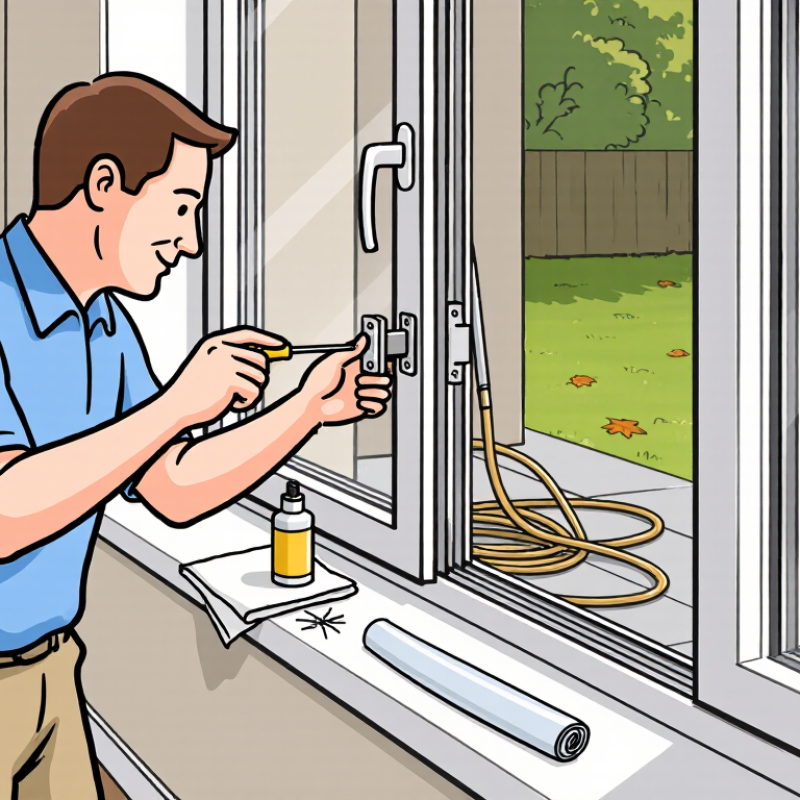
Seasonal weather changes can quietly affect window and door hardware. Heat expands metal slightly, while winter cold contracts it. Humidity may swell wooden frames and make locks feel tight. Condensation can also leave moisture around hinges, handles, and internal mechanisms. These small changes often appear as stiff movement, rubbing, or unusual noise.
During spring and summer, inspect hinges, rollers, and locking points for dirt and moisture. Wipe them with a soft, dry cloth before applying a suitable lubricant. In autumn, check weather seals for cracks or flattening. Cold air can enter through a weak seal, increasing indoor condensation.
Winter requires extra attention to ice and trapped moisture. Never force a frozen handle. I once used too much lubricant, which attracted dust and made the mechanism worse. A small amount works better.
Tips: Open and close each window and door gently every few weeks. Look for uneven gaps, loose screws, rust, or water stains. Tighten accessible screws carefully, but avoid over-tightening them. Keep drainage openings clear with a soft brush. If a lock remains difficult after cleaning, ask a qualified technician to inspect it. Seasonal maintenance is not always perfect, and older hardware may need replacement rather than repeated adjustment.
Before each season, inspect window and door hardware before problems become expensive. Check hinges, handles, locks, rollers, screws, and weather seals. Look for rust, loose fasteners, cracked plastic, or unusual movement. Open and close each unit slowly. A scraping sound often reveals alignment trouble earlier than visible damage.
Clean the hardware with a soft, dry cloth to remove dust and grit. For greasy deposits, use mild soapy water and dry every surface completely. Avoid soaking locks or forcing liquid into drainage openings. Apply a small amount of suitable lubricant to hinges, rollers, and moving lock points. Too much lubricant attracts dust. That mistake is easy to make.
Seasonal changes can expose weaknesses. In spring, check moisture damage after rain. Before summer, examine handles and seals for heat-related stiffness. Before winter, confirm that locks engage smoothly without force. Cold weather can make a small alignment issue worse. I once ignored a slightly loose hinge, and the door later dragged across the threshold. It was fixable, but unnecessary. Keep a simple maintenance record with dates and observations. If a component remains loose, cracked, or difficult to operate after cleaning and adjustment, consult a qualified hardware technician. Never improvise with unsuitable replacement parts.
How to Maintain Window and Door Hardware by Season?
Spring is a practical time to inspect window and door hardware. Winter moisture can leave hinges, rollers, and locking points stiff or slightly corroded. Open each unit slowly, then listen for scraping, clicking, or uneven movement. Check the corners. Loose screws often cause handles to wobble and doors to sag. Tighten them carefully, but avoid stripping the screw heads. Do not force it.
Clean dust and old lubricant with a dry cloth or a soft brush. For stubborn residue, use a mild cleaner that suits the hardware surface. Allow everything to dry completely. Apply a small amount of silicone-based or manufacturer-approved lubricant to hinges, rollers, lock mechanisms, and tracks. Avoid excessive oil because it can attract grit. Work gently. Move the handle or door several times to distribute the lubricant.
Summer heat can expand frames and change alignment. If a door rubs near the latch side, adjust the hinge screws in small increments. Test the closing action after every adjustment. A quarter turn may be enough. I have sometimes adjusted too quickly and created a new gap, so patience matters. Check weather seals for flattening or tears, especially after strong sunlight. Do not lubricate seals unless their care instructions permit it. If hardware remains loose, cracked, or difficult to operate, stop adjusting and arrange a qualified inspection.
| Hardware Area | Spring Maintenance | Summer Maintenance | Recommended Product or Method | Suggested Frequency | Condition to Check |
|---|---|---|---|---|---|
| Hinges | Remove dust and grit, then check whether the door or window moves smoothly without rubbing. | Lubricate pivot points after pollen and surface dirt have been cleaned away. Wipe off excess lubricant. | A light machine oil or manufacturer-approved hinge lubricant. Apply a small amount to the hinge pin and moving joints. | At least twice a year and whenever squeaking or stiffness appears. | Squeaking, resistance, loose screws, sagging, or contact between the sash and frame. |
| Locks and Cylinders | Test the key or thumb turn with the door open first. Tighten visible fasteners and remove debris from the keyway. | Use a dry lock lubricant if the cylinder feels sticky. Avoid flooding the keyway with oil, which can attract dust. | Graphite or a purpose-made dry PTFE lock lubricant, used according to the hardware manufacturer’s instructions. | Every 6–12 months or when key operation becomes difficult. | Key binding, incomplete rotation, loose escutcheon, or a latch that does not fully engage. |
| Latches and Strikes | Inspect alignment and tighten loose screws. Adjust the strike only if the latch does not enter the opening cleanly. | Clean the latch face and strike area. Confirm that the door closes without excessive force as materials expand in warm weather. | Use a small amount of dry lubricant on moving latch components. Do not lubricate painted or dusty strike surfaces excessively. | Inspect seasonally and after any door adjustment. | Rattling, incomplete latching, difficulty closing, or visible misalignment. |
| Multipoint Locking Systems | Operate the handle with the door open, clean the faceplate, and check that locking points move evenly. | Lubricate moving locking points lightly and check alignment if the handle becomes harder to lift during hot weather. | Light PTFE or silicone-based lubricant suitable for metal hardware. Avoid thick grease unless specified by the manufacturer. | Every 6 months, with additional checks in high-use entrances. | Stiff handle, uneven locking, scraping faceplate, or bolts that do not extend fully. |
| Window Handles and Espagnolettes | Clean the handle and inspect the spindle, screws, and locking mechanism. Tighten screws without overtightening. | Test all opening positions and lubricate the internal moving points if operation feels stiff. | A small amount of light PTFE or silicone lubricant applied to designated moving parts. | Twice yearly or when the handle requires unusual force. | Loose handle, incomplete rotation, stiff movement, or a window that will not remain securely closed. |
| Friction Stays and Casement Arms | Remove dirt from tracks and joints. Check fixing screws and confirm that the sash opens and closes without binding. | Apply a light lubricant to the specified pivots and sliding surfaces. Keep drainage openings clear. | Light silicone or PTFE lubricant suitable for window hardware; avoid heavy grease on exposed tracks. | Every 6 months and after construction or cleaning work. | Grinding, restricted opening, loose fasteners, corrosion, or abnormal arm movement. |
| Sliding Door and Window Rollers | Vacuum or brush debris from the track and inspect rollers for wear. Adjust roller height only in small increments. | Clean the track again during periods of heavy pollen or dust. Lubricate only where the system permits it. | Dry PTFE lubricant for compatible tracks; many tracks should remain clean and dry rather than oily. | Clean monthly during dusty periods; inspect and adjust twice yearly. | Dragging, uneven gaps, noisy rollers, track damage, or excessive operating force. |
| Door Closers | Check arm fasteners and confirm that the door closes and latches without slamming or stopping short. | Monitor closing speed because temperature can affect door operation. Do not adjust internal valves unless trained. | Keep the arm pivot clean and use only the lubricant permitted for the closer design. Never drill or open the hydraulic body. | Inspect every 6 months and after impact or abnormal closing behavior. | Oil leakage, slamming, slow closing, loose arm, or failure to latch. |
| Weather Seals and Compression Points | Clean seals with mild soapy water, dry them fully, and inspect for cracks, flattening, or separation. | Apply a compatible silicone-based seal conditioner if recommended. Check that the sash is not over-compressed. | Clean water and mild soap for routine cleaning; use only a seal-safe silicone conditioner when appropriate. | Inspect twice yearly and after extreme weather. | Air or water leakage, brittle seals, gaps, or difficulty operating the hardware. |
Autumn is the right time to prepare window and door hardware for colder weather. I inspect hinges, handles, locks, and fasteners before temperatures fall. Leaves and grit often collect around tracks and drainage openings. Remove them with a soft brush and vacuum. Avoid forcing stiff parts. That can turn a small fault into costly damage.
Wipe metal surfaces with a dry cloth, then apply a lubricant approved for the hardware material. Silicone-based products usually suit weather seals, while some locks require a specific dry lubricant. Check the maintenance instructions before applying anything. Never use cooking oil or thick grease. They can attract dust and become stiff in cold weather. Examine seals for cracks, flattened areas, or gaps around the frame. A loose seal may allow cold air and moisture inside.
Winter care requires small checks after storms and freezing nights. Make sure water can leave through drainage holes, and clear ice without using sharp tools. Road salt and damp air can accelerate corrosion on exposed screws and hinges. I used to lubricate every moving part heavily, but that caused more dirt buildup. A lighter application worked better. Still, maintenance routines are not perfect; hidden corrosion may continue beneath a clean surface. If a handle remains difficult to turn, or a lock needs force, stop using pressure and contact a qualified window or door technician. Record the date of inspection, especially for properties exposed to snow, coastal air, or frequent temperature changes.
Protecting hardware during autumn and winter requires regular cleaning, lubrication, inspection, and sealing. The chart shows a practical seasonal maintenance schedule based on common residential hardware-care intervals.
Maintenance guidance: Clean tracks and moving parts monthly during wet or freezing periods, lubricate hinges and locks at least once per season, inspect weather seals before cold weather and again during winter, and tighten loose screws whenever movement or rattling is detected.
Cold weather exposes weak seals, loose hinges, and stiff locking mechanisms. Inspect windows and doors before temperatures drop. Look for cracked weatherstripping, rust around screws, and handles that wobble during use. Replace damaged seals instead of forcing them closed. A small gap can allow drafts, moisture, and dirt to enter the frame. That moisture may later cause swelling or corrosion.
Spring is a good time to check for winter damage. Clean tracks with a soft brush and remove trapped grit with a vacuum. Do not scrape metal surfaces aggressively. Wipe hinges and rollers with a dry cloth before applying a suitable lubricant. Too much lubricant attracts dust. I once overlooked a slightly bent hinge, and the door gradually rubbed against the threshold. Early replacement would have been cheaper and quieter.
Summer heat can make frames expand, especially in dark or poorly shaded areas. Test each latch without slamming the door. Replace worn screws with correctly sized hardware, and tighten them carefully. Overtightening can strip the frame or distort the fitting. In autumn, inspect drainage openings and clear leaves from thresholds. Replace cracked handles, loose stays, and weakened fasteners promptly. Keep a simple maintenance record. It helps reveal repeated problems, although records alone cannot replace a careful inspection.
Heat expands metal slightly, while cold contracts it. Humidity can swell wooden frames and tighten locks. Condensation may affect hinges and handles.
Watch for stiff movement, scraping sounds, rubbing, unusual noise, loose screws, rust, and uneven gaps. Water stains also deserve attention.
Use a soft, dry cloth for dust and grit. For greasy deposits, use mild soapy water and dry every surface completely.
Apply a small amount to hinges, rollers, and moving lock points. Too much lubricant attracts dust. I made that mistake once.
Check that locks engage smoothly without force. Inspect weather seals for cracks or flattening. Clear drainage openings with a soft brush.
Never force it. Remove visible moisture and wait for safe thawing. For repeated problems, ask a qualified technician to inspect it.
Open and close each unit gently every few weeks. Tighten accessible screws carefully, but avoid over-tightening. Small issues can grow quietly.
Consider replacement when parts remain loose, cracked, rusty, or difficult after cleaning. Older hardware may need replacement. Repeated adjustment is not always wise.
Seasonal maintenance for window & door hardware is essential for keeping locks, hinges, handles, rollers, and other components working smoothly throughout the year. Changes in temperature, humidity, rain, snow, and airborne debris can cause hardware to expand, contract, corrode, or become difficult to operate. Before each season, inspect all components for looseness, rust, dirt, cracks, and unusual movement, then clean them carefully to remove dust and buildup.
In spring and summer, adjust misaligned parts and apply a suitable lubricant to reduce friction and improve operation. During autumn and winter, protect exposed hardware from moisture, freezing conditions, and accumulated debris by sealing gaps, wiping surfaces dry, and checking drainage areas. Any worn, damaged, or unsafe components should be replaced promptly to prevent further problems. Regular inspections, gentle cleaning, proper lubrication, and timely repairs can extend hardware life, improve energy efficiency, and help maintain reliable window and door performance in every season.

Batul Hardware