Sliding doors are a popular choice in modern architecture. They provide both functionality and aesthetic appeal. However, issues can arise with sliding door hardware. This can lead to frustrations for homeowners. A recent industry report indicates that nearly 30% of homeowners experience problems with their sliding door systems. This highlights the need for effective sliding door hardware troubleshooting solutions.
Common issues vary widely. Some doors may not glide smoothly, while others may become stuck or difficult to close. These problems often stem from poor installation, wear and tear, or environmental factors. Interestingly, a survey found that over 50% of users did not know how to properly maintain their sliding door hardware. This lack of knowledge can exacerbate existing problems.
Investing in the right troubleshooting solutions can save time and money. Professional installation can help avoid issues. Regular maintenance checks are essential too. Yet, many overlook this critical step. Reflecting on these aspects can improve both the longevity and functionality of sliding doors. Addressing hardware issues early can prevent costly repairs in the future.
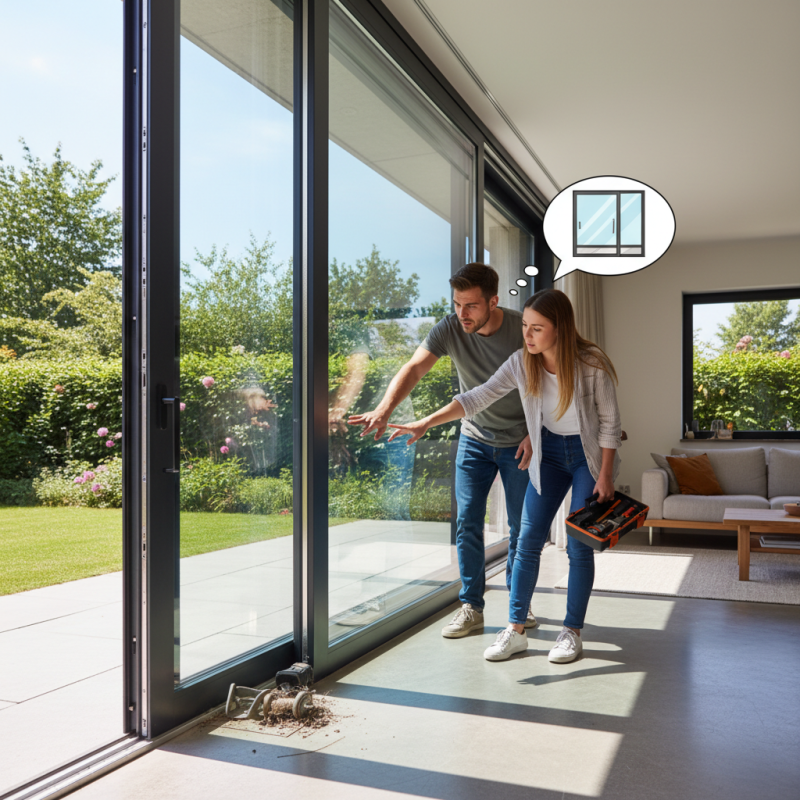
Sliding doors are a popular choice for many homes, but they can encounter several issues over time. Understanding common problems can save you time and frustration. Doors may stick or refuse to slide smoothly. This could be due to dirt or debris in the track. A quick clean can often solve the problem. A lubricant may help too, but be careful. Overdoing it can attract more dirt.
Another frequent issue is misalignment. This can happen if the door has been improperly installed or has shifted over time. When this occurs, the door may not close securely. Checking the mounting screws and adjusting them might fix the alignment. Sometimes, the rollers wear out, requiring replacement. This is a task you can often tackle yourself with basic tools.
Noise is another concern for sliding doors. Squeaking or grinding sounds can indicate that the track is damaged or worn. Inspecting the track regularly can prevent larger issues down the line. Always address these problems early to avoid more significant repairs. By paying attention to these small details, you can keep your sliding door functioning smoothly.
| Issue | Description | Common Causes | Solutions |
|---|---|---|---|
| Door Won't Slide | The sliding door does not move smoothly or gets stuck. | Dirt in the track, worn wheels, or misalignment. | Clean the track, lubricate wheels, or adjust the alignment. |
| Door Skips Off Track | The door comes out of the track while sliding. | Damaged or worn tracks, or improperly adjusted rollers. | Inspect and replace tracks, or readjust rollers. |
| Hard to Open/Close | Resistance when attempting to open or close the door. | Dirty track, damaged hardware, or lack of lubrication. | Clean and lubricate the track and replace any damaged parts. |
| Rattling Noise | Unusual sounds when moving the door. | Loose screws or worn rollers. | Tighten screws or replace worn rollers. |
| Drafts or Water Leakage | Air or water coming through the gaps. | Poor sealing or warped door frame. | Install weather stripping or adjust the door frame. |
: The product aims to enhance everyday experiences. Users often share positive feedback on its effectiveness.
Follow the instructions provided. Consistency is key for the best results, even if progress seems slow.
Some users report minor irritations. It's important to monitor how your body responds and adjust use if needed.
Keep it in a cool, dry place. Avoid direct sunlight to prevent any possible degradation.
Many people find it suitable. However, sensitive skin should test a small area first.
Results may take time. Patience is essential, and everyone’s experience is different—reflect on your routine.
Yes, there is a return option available. Check the specific terms for more details to ensure you understand them.
Consider your needs and skin type. It might help to consult with a professional for personalized advice.
It varies based on usage. Monitoring your usage can help you anticipate when you'll need a refill.
The article "Best Sliding Door Hardware Troubleshooting Solutions You Need" provides a comprehensive guide to understanding and resolving common issues with sliding doors. It begins by outlining typical problems that can arise with sliding door hardware and offers effective solutions. The relationship between door weight and sliding mechanisms is evaluated, highlighting how it can impact performance.
A detailed step-by-step troubleshooting process is presented for addressing sticking sliding doors, enabling readers to quickly identify and fix issues. Additionally, essential maintenance tips are shared to help prevent future malfunctions, ensuring the longevity of sliding doors. Lastly, it emphasizes the importance of choosing the right hardware for optimal sliding door performance, ensuring a smooth and functional operation. Overall, this article serves as a valuable resource for anyone seeking effective sliding door hardware troubleshooting solutions.

 Batul Hardware