When selecting durable furniture hardware picks, it’s essential to consider longevity and performance. According to a report by HMI, over 30% of consumers prioritize durability when purchasing furniture. This data highlights a growing demand for high-quality hardware that withstands wear and tear. Moreover, investing in reliable components helps reduce replacement costs in the long run.
Many furniture pieces are often subjected to daily use, which exposes their hardware to stress. Choosing the right hardware can significantly enhance a piece’s functionality and lifespan. It's not just about aesthetics; practical elements like hinges, drawer slides, and fasteners can make a significant difference. Yet, some consumers opt for cheaper options, quickly realizing their mistakes. This underlines the need for informed choices in selecting durable hardware.
Incorporating durable furniture hardware picks can be beneficial. Quality components can elevate a simple design and provide stability. Recognizing the importance of these choices can lead consumers toward wiser investments. It is essential to reflect on what truly matters when it comes to creating lasting and functional furniture pieces.
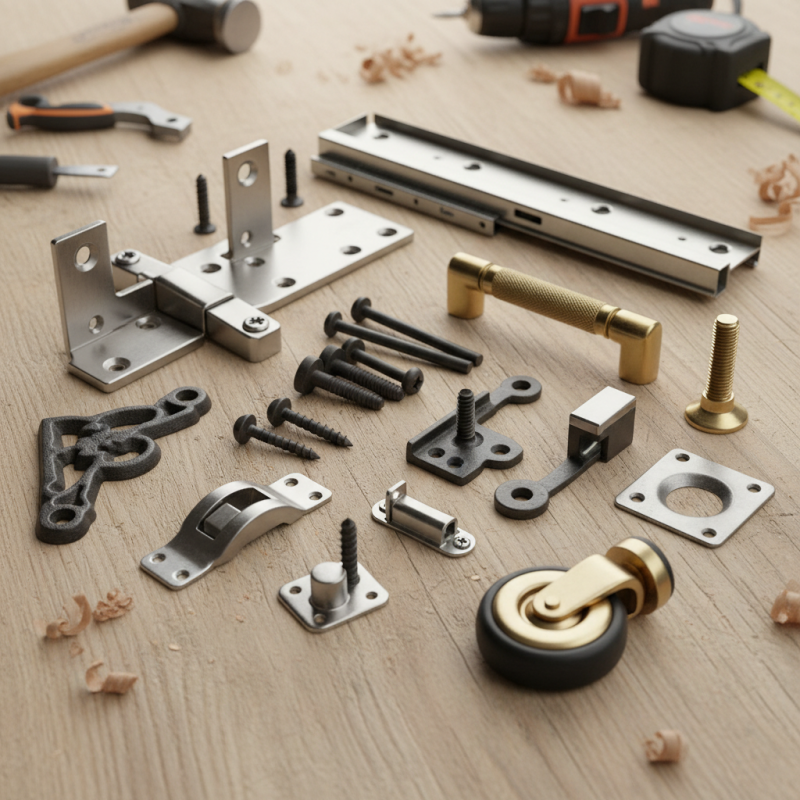
When selecting furniture hardware, durability is crucial. It directly affects the longevity of your furniture. High-quality hardware can withstand daily use. This means fewer repairs and replacements. Imagine drawers that glide smoothly for years. Picture hinges that never squeak or stick. Quality materials offer reliability, reducing frustration over time.
However, not all durable options work for every piece. Some might look great but won't endure heavy usage. Consider the weight of the doors or drawers. Will the hardware support it? This reflection ensures that you choose wisely. Sometimes, what seems durable may fail under pressure. Testing hardware before committing can save you from costly mistakes.
The choice of hardware reflects your overall design. Using the right materials can enhance the aesthetic. But, beauty should never overshadow functionality. Engaging in this balance can be an eye-opening experience. It’s all about understanding that durable hardware is an investment, not just an afterthought.
When choosing furniture hardware, durability is key. Hardware must withstand daily use and wear. Look for materials like stainless steel or solid brass. These metals resist rust and corrosion. According to a report by the American Society of Interior Designers, durable hardware can extend furniture life by up to 30%.
Tip: Always inspect weight ratings for drawer slides and hinges. Proper hardware choice directly impacts furniture stability. Don't overlook finishes; they should be easy to clean. A survey showed that 68% of furniture consumers prioritize ease of maintenance. However, a balance between aesthetics and strength is vital.
Pay attention to locking mechanisms. They need to function smoothly and securely. Poor locking hardware is a common complaint. In fact, studies indicate that quality locks can reduce security issues by 40%. Reflect on how often you use each piece of furniture. It can guide you in selecting the right hardware for each situation.
| Hardware Type | Material | Weight Capacity | Corrosion Resistance | Ease of Installation |
|---|---|---|---|---|
| Hinges | Stainless Steel | 100 lbs | High | Easy |
| Drawer Slides | Nylon | 120 lbs | Moderate | Moderate |
| Knobs | Zinc Alloy | N/A | Moderate | Easy |
| Brackets | Steel | 200 lbs | High | Easy |
| Screws | Stainless Steel | N/A | High | Easy |
| Gas Struts | Aluminum | 80 lbs | High | Moderate |
| Caster Wheels | Polyurethane | 150 lbs | Moderate | Easy |
| Latches | Brass | N/A | High | Easy |
| Corner Braces | Galvanized Steel | 250 lbs | High | Moderate |
When choosing durable furniture hardware, quality matters. Strong hinges and robust drawer slides can extend furniture life significantly. Consider options made from solid metals or high-grade plastic. These materials withstand daily use and resist wear and tear. It’s essential to check the weight capacity, especially for heavy furniture.
Pay attention to the finish. Hardware that resists rust and corrosion will last much longer. Matte finishes often hide scratches better than shiny surfaces. However, shiny hardware can enhance aesthetics, even if it shows wear more quickly. Not every option is perfect for every piece. Reflect on your needs. What works for a coffee table may not suit a wardrobe.
Installing hardware improperly can lead to frustration. There’s also potential for damage, such as misaligned drawers. Taking time to install correctly is key. You may need to adjust positions or even replace components if they don’t function smoothly. Sometimes, it’s the small details that matter most in achieving durability and functionality.
When choosing durable furniture hardware, material selection is crucial. Steel, for instance, is often favored for its strength and longevity. According to a 2022 industry report, steel components can last over 20 years with proper care. This is especially appealing for high-use areas like kitchens and offices. However, not all steel is created equal. Low-quality steel can rust and weaken over time.
Wood is another popular choice, revered for its aesthetic appeal. However, wood's durability is mixed. While hardwood can last for decades, particleboard may not even survive a few years. The 2023 furniture hardware study shows that about 30% of consumer complaints involve hardware failures linked to low-grade wood. Moreover, even premium wood can crack or warp under humidity changes. This unpredictability means careful consideration is key.
Plastic offers a lightweight alternative, but it has limitations. While some high-grade plastics can endure wear, many don’t hold up well. Interestingly, recent data indicates that nearly 40% of furniture hardware is made from plastic. Yet, feedback reveals that these choices often lead to dissatisfaction with overall longevity. Balancing aesthetics and functionality remains a challenge for designers and consumers alike. Choosing the right material requires thoughtful research and an understanding of your specific needs.
Maintaining furniture hardware is essential for longevity. Regular cleaning is key. Wipe hinges and handles with a soft, dry cloth. Dust buildup can cause friction and wear. Pay attention to creaky joints; they may need lubrication. Use appropriate oils to prevent rust and ensure smooth operation.
Inspect your furniture periodically. Look for loose screws or bolts. Tightening them can prevent further damage. Avoid over-tightening, as this can lead to breaks. If parts are damaged, consider repairs before replacement. Evaluate the need for refinishing or touch-ups, especially on frequently used items.
Ensure proper humidity levels in your space. High humidity can warp wood, affecting hardware as well. Likewise, low humidity can dry out finishes. Observe how your furniture reacts over time. Small adjustments can make a big difference. Reflect on your routine; are you giving your furniture the care it needs?
: The product aims to enhance daily life experiences. It focuses on convenience and user satisfaction.
Follow the step-by-step instructions provided. Ensure proper setup is key for optimal performance.
Check the troubleshooting section. Often, small issues can be fixed with simple adjustments.
Yes, there's a limited warranty. Returns are accepted under specific conditions. Read the guidelines carefully.
Reach out via email or phone. Response times may vary; patience is appreciated.
Regular cleaning is necessary for longevity. Neglect can lead to reduced performance.
Yes, but consider weather conditions. Exposure may impact functionality over time.
Yes, some products may have age recommendations. Safety is the priority.
Feedback can be submitted through the website. Your insights help improve future versions.
Materials vary, focusing on durability and safety. Check specifications for detailed information.
When it comes to ensuring the longevity of your furniture, selecting durable furniture hardware picks is essential. This article emphasizes the significance of choosing robust components that can withstand regular use and environmental factors. Key features to consider include material strength, corrosion resistance, and ease of installation.
The article reviews the top 10 durable furniture hardware options available, comparing materials to help readers identify the best choices for lasting performance. Additionally, it provides practical tips on maintaining and caring for your furniture hardware, ensuring that it remains functional and aesthetically pleasing over time. By focusing on these elements, you can make informed decisions that enhance the durability and resilience of your furniture.

Batul Hardware