At the 139th Canton Fair, "Mending Plates For Wood" is a significant focus. This event will showcase innovative solutions for woodworking. Experts believe that mending plates play a crucial role in enhancing furniture durability. John Smith, a renowned woodworking specialist, once stated, "Quality mending plates are essential for any sturdy wood piece."
The fair will feature a variety of suppliers offering advanced mending plates. Attendees can explore products that meet international standards like ISO and CE. The introduction of AI navigation will help visitors find specific suppliers effectively. This streamlined experience will enhance efficiency in a massive 1.55 million square meter venue.
However, challenges remain. Many exhibitors may struggle to highlight the unique features of their mending plates. Some products may lack sufficient durability or design appeal. Reflecting on these aspects is vital for both suppliers and buyers. Finding the right "Mending Plates For Wood" could transform woodworking projects, ensuring better results for customers.
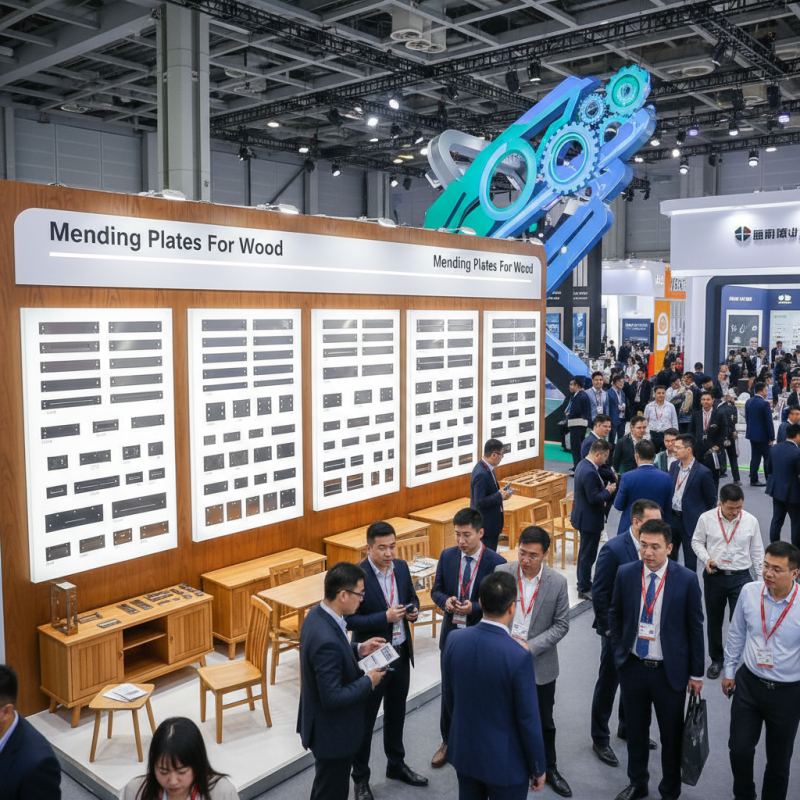
Mending plates are essential tools for wood repair. They provide stability and strength to weakened joints. With various designs, these plates are adaptable for different projects. At the 139th Canton Fair, several options caught the eye of woodworkers and hobbyists alike.
Understanding the various types of mending plates is crucial. Some feature multiple holes for screws, while others have a simple, flat design. The choice depends on the repair needs. For instance, jigsaw cuts can create unique shapes that require extra support. Using the right plate ensures a strong bond. However, sometimes the plates don’t fit perfectly. This can lead to frustrating adjustments.
The availability of materials also varies. Stainless steel is durable, but can be expensive. On the other hand, galvanized options offer great value. These details can influence decision-making on-site. The best mending solution often requires experimentation. Observing how different designs affect wood joints can provide helpful insights. It encourages learning and adaptation in woodworking projects.
Mending plates play a crucial role in woodworking. They offer stability and support for joints, making furniture stronger. When selecting mending plates, the materials used are vital for durability. Stainless steel is popular for its resistance to rust. Aluminum is lightweight and does not corrode easily.
Some mending plates may bend under pressure. This can lead to failures in joint stability. Another common issue is the use of thin plates, which may not provide sufficient support. Thicker plates generally help distribute weight better. It's essential to consider the material thickness when making a choice.
Different environments can impact the performance of mending plates. Humidity can weaken metal over time. It's also necessary to think about the finish of the plates. A poor finish may lead to quicker wear and tear. Taking all these factors into account ensures a more durable woodworking project. Choosing the right materials can make or break the strength of your creations.
The global woodworking industry is experiencing a surge in demand for mending plates. Recent reports indicate that the market is projected to grow at a compound annual growth rate (CAGR) of over 5% from 2023 to 2028. This rise is fueled by an increasing emphasis on DIY projects and home improvement. More consumers are showing interest in enhancing their woodworking skills.
In the Canton Fair's 139th edition, manufacturers showcased innovative mending plates aimed at addressing various woodworking needs. The focus is on durability and versatility. Many mending plates incorporate high-quality materials to ensure longevity. Yet, challenges remain in meeting diverse customer preferences. Reports suggest that while some plates excel in strength, they may lack aesthetic appeal.
Additionally, a significant shift towards sustainable and eco-friendly materials is evident. A survey revealed that about 40% of consumers prefer products made from recycled materials. However, not all manufacturers are adapting. Some still prioritize cost over sustainability. This paradox could hinder long-term growth in the woodworking sector. The evolving landscape requires continuous adaptation from manufacturers to align with market trends and consumer demands.
The 139th Canton Fair showcased innovative designs in mending plates for wood. This event highlighted the creativity of manufacturers. Many companies introduced unique shapes and sizes, focusing on enhancing structural integrity. The emphasis was on making woodworking easier and more efficient.
Several exhibits featured mending plates with adjustable components. These designs allow for quick fixes in various woodworking projects. However, some plates seemed overly complex. Their practicality might be questionable in everyday use. Simplicity often trumps sophistication in woodworking.
Additionally, eco-friendly materials were a significant trend at the fair. Companies are moving towards sustainable options, like recycled metals. This shift is essential, but the durability of these materials needs attention. Some visitors expressed concerns about their long-term performance. This conversation about quality versus sustainability is just beginning.
The 139th Canton Fair showcased a variety of mending plates designed for wood applications. These plates are critical in providing structural support and durability in woodworking projects. Recent industry reports indicated that the global demand for robust mending solutions is expected to grow by approximately 7% annually. This highlights the increasing reliance on high-quality mending plates in construction and woodworking sectors.
Among the products featured, several brands stood out for their innovative designs and material quality. For instance, plates made from galvanized steel offer heightened resistance to corrosion, making them ideal for outdoor uses. However, the presentation also shed light on inconsistencies in manufacturing standards across different brands. Some plates exhibited rough edges, raising concerns about safety and reliability.
The comparative analysis of leading mending plate brands revealed varying thicknesses and load capacities. Certain plates could support up to 1,200 pounds while others lagged significantly behind. This variance implies a need for greater industry regulation and standardization to ensure consumer safety. Observing these differences at the fair encouraged discussions about quality assurance and improvement strategies that the industry must consider moving forward.
: Mending plates provide stability and strength to weakened wood joints. They are essential for wood repair projects.
Consider the type of repair needed. Some plates have multiple holes, while others are flat. Fit matters too.
Yes, options include stainless steel and galvanized materials. Stainless steel is durable but may be pricier.
The market is growing due to DIY projects. People are enhancing their woodworking skills and needs.
Sustainability is increasingly crucial. About 40% of consumers prefer products made from recycled materials.
Yes, some designs are complex, which might reduce practicality. Simpler designs often work better in everyday use.
Yes, plates sometimes don’t fit perfectly, leading to frustrating adjustments during repairs.
Manufacturers face challenges meeting diverse needs, balancing strength with aesthetic appeal. Some prioritize cost over sustainability.
Yes, there's a shift toward sustainable and recycled materials, but durability concerns persist.
Using the right mending plate is essential. Experimentation can lead to better insights into joint stability.
The article titled "Top Mending Plates For Wood at Canton Fair 139th Edition" provides an in-depth examination of effective wood repair solutions. It highlights the importance of using high-quality mending plates for wood, emphasizing the key materials that enhance durability and performance in various woodworking applications. The market trends indicate a growing demand for these essential components in the global woodworking industry, reflecting an increased focus on efficient and reliable wood repair techniques.
Additionally, the article offers insights from the Canton Fair, showcasing innovative designs and technological advancements in mending plates for wood. A comparative analysis of the leading mending plate options presented at the fair reveals the features that differentiate them in terms of strength and usability. Overall, this summary underscores the vital role that mending plates play in wood repair and the advancements shaping their future in the industry.

Batul Hardware