As we look toward 2026, the realm of smart furniture hardware innovations is poised for exciting transformation. These advancements promise to redefine how we interact with our living spaces. Renowned designer and industry expert, Dr. Emily Chen, states, “Smart hardware is not just about technology; it’s about enhancing everyday experiences.” This sentiment underscores the potential of innovative furniture solutions.
The upcoming trends focus on usability and aesthetics. Imagine a coffee table that adjusts its height automatically based on your posture. Such innovations exemplify how smart furniture can cater to individual needs. Further, these advancements can seamlessly integrate into various environments, enhancing both functionality and style.
However, challenges remain in ensuring that these technologies are user-friendly. Sometimes, the sheer complexity of features can overwhelm users. Designers must reflect on creating intuitive designs that people find easy to use. Clarity in functionality will be key to widespread acceptance. The journey to embrace smart furniture hardware innovations is both exciting and a work in progress.
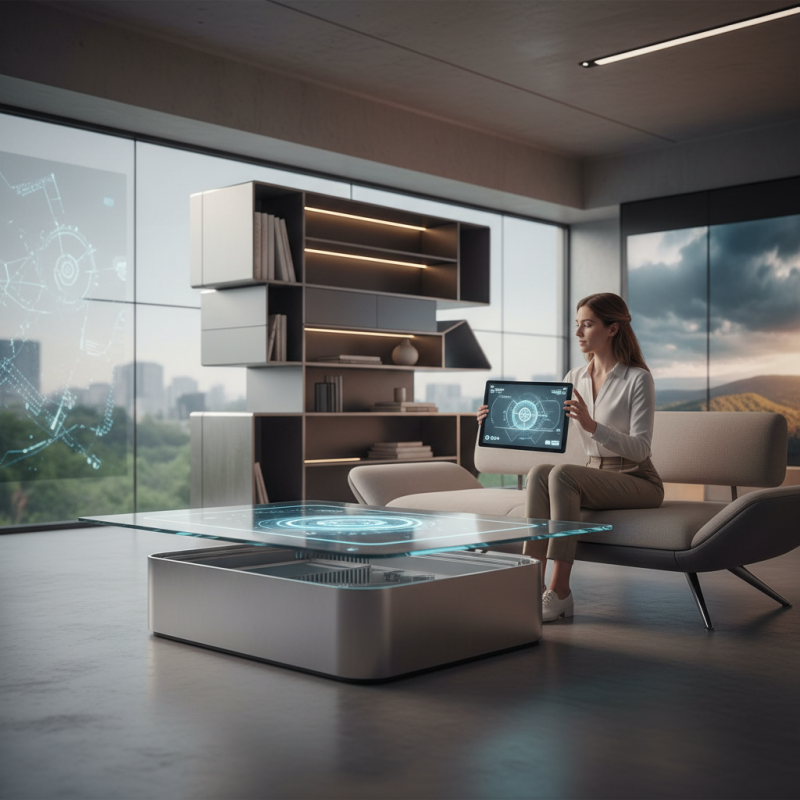
Innovative Smart Furniture Trends Shaping Tomorrow's Interiors
As we approach 2026, the intersection of technology and design continues to redefine interiors. Innovative smart furniture trends promise to shape our living spaces. These advancements go beyond aesthetics; they enhance functionality and comfort. Imagine programmable desks that adjust height with a touch or a coffee table with built-in speakers. Such innovations bring convenience to our daily routines.
Tips for integrating smart furniture: Start small. Opt for items that serve double duty. Smart items don't have to be expansive. A lamp that charges your devices is an excellent entry point. Another idea is to choose furniture that adapts to your lifestyle. For example, consider a modular sofa that can be reconfigured to suit gatherings or cozy evenings alone.
However, it’s crucial to be mindful. Not every smart piece suits everyone. Some may find technology overwhelming. Elements like data privacy can also raise concerns. It's essential to assess your needs before investing. Embrace the smart furniture movement, but do so thoughtfully. After all, your space should reflect you, not just trends.
Key Features of Smart Hardware Enhancing User Experience in Furniture
The integration of smart hardware into furniture design is revolutionizing how we interact with our living spaces. According to a recent report by the Furniture Industry Association, approximately 63% of consumers are interested in furniture with integrated smart technology. This shift highlights a growing demand for user-centric designs that prioritize convenience and comfort.
Smart furniture now includes features such as integrated charging ports, adjustable surfaces, and automated lighting. These innovations enhance the user experience by offering solutions that fit seamlessly into modern lifestyles. For instance, adjustable desks can cater to various work preferences, promoting better ergonomics. However, not all smart furniture performs as expected. Inconsistent connectivity issues can frustrate users, leading to unmet expectations.
Additionally, energy efficiency is a key factor in smart furniture design. A study by Green Building Council indicated that smart features could reduce energy consumption by up to 30%. Yet, many consumers remain unaware of these benefits. It poses a challenge for manufacturers to convey the value of smart innovations clearly. Overall, the landscape of smart furniture is promising but requires continuous improvement and education to maximize user experience.
2026 Top Smart Furniture Hardware Innovations
Integration of IoT in Furniture: Connectivity and Control
The integration of IoT in furniture represents a significant shift in how we interact with our spaces. Reports indicate that the smart furniture market is projected to reach $280 billion by 2026, driven by increasing demand for convenience and connectivity. This transformation allows homeowners to control lighting, climate, and security through their furniture.
Smart desks can adjust their height automatically based on user preferences, improving ergonomics for a healthier workspace.
Home automation is evolving. Sensors embedded in furniture can track usage patterns, providing insights into habits and preferences. Research suggests that 65% of consumers are interested in adopting smart furniture technologies but often express concerns about reliability. Understanding this hesitancy is crucial for manufacturers aiming to enhance user experience. Challenges remain, particularly regarding interoperability among smart devices.
The potential for energy savings is noteworthy. Smart furniture can adjust based on real-time data, reducing energy costs. A survey found that 70% of consumers are motivated to invest in energy-efficient solutions. However, privacy and data security remain critical considerations. As the market grows, addressing these concerns will determine the success of smart furniture in everyday life.
Sustainable Materials in Smart Furniture Hardware Innovations
The trend of sustainable materials in smart furniture hardware is gaining momentum. According to a report from the Furniture Industry Association, 68% of designers prioritize eco-friendly materials in their projects. This shift not only reflects a growing concern for the environment but also enhances the aesthetic appeal of modern spaces. Natural wood, bamboo, and recycled metals are examples of materials that bring warmth and sustainability together.
As smart furniture becomes more integrated into our lives, the hardware must evolve. Innovations in sensor technology allow furniture to adapt to its environment. However, this raises questions about the environmental impact of these technologies. A study published in the Journal of Sustainable Design highlights that while tech integration is essential, the carbon footprint of production needs careful consideration.
Balancing functionality with eco-friendliness is a challenge. For instance, using bioplastics can reduce reliance on petroleum-based products. Yet, the production process for bioplastics can still harm the environment. Exploring local sourcing options could mitigate some of these concerns. The evolution of smart furniture hardware should not only focus on innovation but also reflect a commitment to sustainability.
2026 Top Smart Furniture Hardware Innovations to Transform Spaces
| Innovation Type |
Key Features |
Sustainable Material |
Expected Impact |
| Smart Adjustable Desks |
Height adjustment, built-in health tracking |
Recycled aluminum |
Promotes ergonomic workspaces |
| IoT-Enabled Sofas |
Built-in charging ports, temperature control |
Organic cotton upholstery |
Enhances comfort and connectivity |
| Smart Lighting Tables |
Adjustable lighting, remote control |
Bamboo laminate |
Improves atmosphere and mood |
| Connected Storage Solutions |
App-controlled organization, inventory tracking |
Reclaimed wood |
Enhances efficiency and declutter |
| Multi-Functional Chairs |
Adjustable seating, built-in speakers |
Hemp fabric |
Combines relaxation and technology |
Future Prospects: The Role of AI in Smart Furniture Development
The integration of AI into smart furniture design is revolutionizing how we interact with our living spaces.
AI technologies can enable furniture to adapt to individual preferences, enhancing comfort and usability.
Imagine a table that adjusts its height based on your activity, whether dining or working.
This flexibility could redefine functionality in homes and offices alike.
Tips: When selecting smart furniture, consider how it fits your lifestyle.
Look for pieces that offer customization without complexity.
Also, evaluate their aesthetic appeal since style is crucial in modern interiors.
The potential of AI extends into predictive maintenance.
Smart furniture could alert users when repairs are needed. While this offers reliability, it also raises questions about over-dependence on technology.
Balancing innovation with traditional craftsmanship may be essential for a holistic approach to furniture design.
Tips: Don't overlook the importance of user training.
Understanding features increases furniture longevity.
Also, consider eco-friendly materials that align with smart technology.
AI’s role in furniture development is just beginning. As we embrace these advancements, there will undoubtedly be challenges to address.
The journey of integrating smart solutions in our everyday environments calls for thoughtful consideration.
FAQS
: Smart furniture includes designs with integrated technology, enhancing convenience for modern living.
It offers features like charging ports and adjustable surfaces, catering to user preferences.
Connectivity problems can frustrate users. Inconsistent performance leads to unmet expectations.
Smart features may reduce energy consumption by up to 30%. Many consumers do not know about this benefit.
IoT allows control of lighting and climate, improving user convenience and comfort in homes.
Reliability issues and data security are major concerns for potential users.
Manufacturers need to communicate the benefits clearly to help consumers understand smart innovations.
Adjustable desks automatically change height, promoting better posture and comfort during work.
Rising interest drives market growth, but usability challenges must be addressed to maintain momentum.
Yes, as these devices collect data, user privacy remains a critical issue that needs attention.
Conclusion
The article explores the transformative potential of smart furniture hardware innovations that are shaping the future of interior design. It highlights the latest trends in smart furniture, focusing on key features that enhance user experience through enhanced connectivity and control via IoT integration. The discussion includes the importance of sustainable materials in the development of smart hardware, emphasizing the growing demand for eco-friendly solutions in furniture design.
Furthermore, the article delves into future prospects, particularly the role of artificial intelligence in advancing smart furniture development. By harnessing AI technologies, designers can create more intuitive and adaptive furniture solutions that not only improve functionality but also cater to individual user preferences. Overall, these smart furniture hardware innovations are set to redefine living and working spaces, promoting a seamless blend of aesthetics, sustainability, and advanced technology.

 Batul Hardware