Proper maintenance of window hardware is essential for ensuring longevity and functionality. According to a recent report by the National Fenestration Rating Council (NFRC), well-maintained window systems can last up to 30 years, significantly reducing replacement costs. This highlights the importance of understanding effective window hardware maintenance tips.
Regular inspection is crucial. Homeowners often overlook minor issues that can escalate over time. For instance, worn-out seals can lead to energy loss, costing homeowners an average of $200 annually. Simple tasks, such as lubricating hinges and cleaning tracks, can dramatically enhance performance and lifespan.
Ignoring these maintenance tips can result in significant repair expenses. A lack of attention to window hardware may also compromise security features. By following sound maintenance strategies, you ensure not only the visual appeal but also the safety of your home. Thus, integrating regular window hardware maintenance tips into your routine can yield substantial long-term benefits, fostering a reliable and efficient environment.
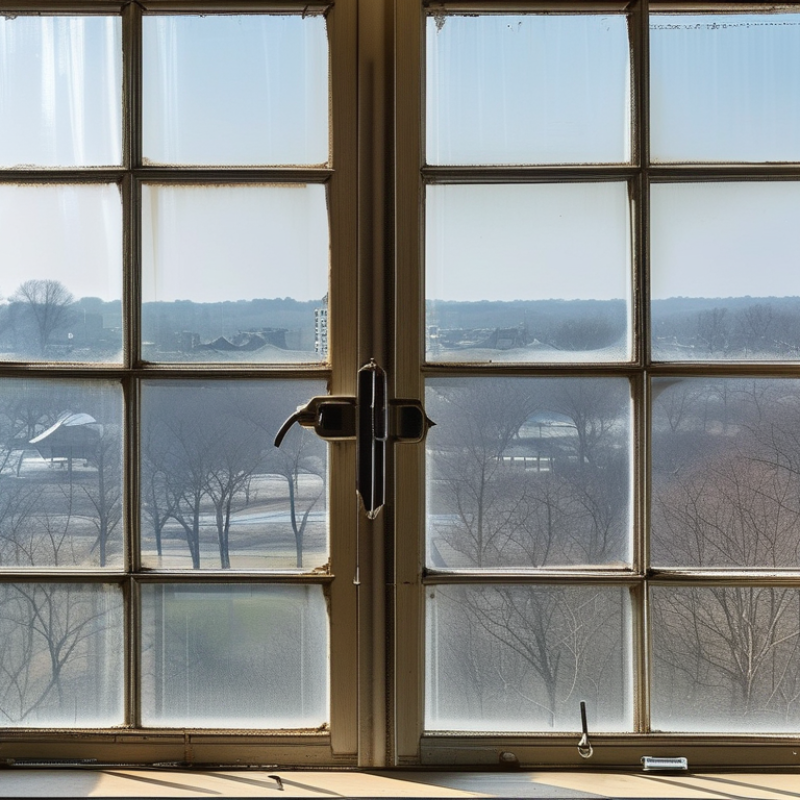
Proper maintenance of window hardware is essential for ensuring its longevity and functionality. Regularly inspect your window locks and latches for any signs of wear or damage. Corrosion can develop over time, especially in humid conditions. A small amount of rust can escalate into a larger problem. Pay attention to hinges and rollers as well. Cleaning these components can prevent dirt buildup, which may hinder smooth operation.
Lubrication is key in maintaining window hardware. Use a silicone spray or a similar product to keep moving parts free-flowing. However, avoid over-lubricating, which can attract dust and grime. It’s also important to double-check the installation of window balances, as improper positioning can wear them out prematurely. Sometimes, the power of a simple adjustment can lead to better performance and extended life.
Consider seasonal maintenance checks, especially before winter. Cold weather can cause certain materials to contract, impacting their function. Replacing damaged parts sooner rather than later can save you effort and expense down the line. Remember that a small oversight now might lead to larger repairs in the future. A proactive approach is essential for achieving the best possible window performance.
Regular inspection of window hardware is essential for ensuring longevity and functionality. Small issues can escalate into larger problems if neglected. Over time, dust, grime, and wear can affect the performance of locks, hinges, and latches. These components require periodic attention to prevent sticking or malfunctioning. Even the best quality hardware benefits from regular checks.
Monitoring the condition of your window hardware fosters a sense of security. Inspect for rust or corrosion, especially in humid areas. Pay close attention to the movement of hinges. Is it smooth, or does it feel sticky? Even if everything looks fine, small adjustments can enhance performance. Think about whether your windows close tightly. Gaps can lead to energy loss, affecting your comfort.
Reflect on your maintenance habits. Have you been consistent? Sometimes, life gets busy, and these checks fall by the wayside. Yet, investing a little time now can save you money and frustration later. Incorporate hardware inspection into your routine, perhaps when seasons change. It’s a straightforward practice that ensures your windows continue to function smoothly.
| Maintenance Task | Frequency | Importance | Tips |
|---|---|---|---|
| Inspect Hinges | Every 6 months | High | Check for rust or wear, lubricate regularly. |
| Clean Window Tracks | Monthly | Medium | Remove debris for smooth operation. |
| Check Weatherstripping | Annually | High | Replace if worn to maintain energy efficiency. |
| Lubricate Locks and Latches | Every 3 months | Medium | Use silicone spray for better results. |
| Inspect Windowpanes | Every 6 months | High | Look for cracks or condensation between panes. |
When it comes to window hardware maintenance, knowing how often to check components is crucial. According to a study by the National Fenestration Rating Council, regular upkeep can extend the lifespan of window hardware by up to 30%. Conducting maintenance checks biannually is recommended, allowing you to identify potential issues before they escalate. Seasonal changes can put additional stress on windows, making these checks even more vital.
Look for signs of wear or damage during inspections. Pay attention to rust or corrosion, especially in metal components. It’s important to clean and lubricate hinges, locks, and tracks every few months. Neglecting these small tasks can lead to larger, costly problems.
Incorporating simple checks into your routine can make a big difference. Listen for unusual sounds, which might indicate a stiff mechanism. Use a damp cloth to wipe down tracks and frames. Regular checks not only improve functionality but also enhance energy efficiency. Remember, even small dents or scratches can develop into serious issues over time. Consistency in maintenance will ensure that your window hardware remains reliable for years to come.
Window hardware is essential for ensuring functionality and safety. Recognizing the signs of wear and tear can save you time and money over time. Common indicators include difficulty opening or closing windows. If the hardware sticks or feels loose, that’s a red flag. Frayed or damaged weather stripping can also lead to air leaks, making your home less energy-efficient.
Rust and corrosion are serious issues, especially in areas with high humidity. Inspect the metal components regularly for any signs of rust. Discoloration is often an indicator of more severe damage. Loose screws or hinges can create misalignment, affecting the window's overall performance. Regular maintenance checks can help catch these problems before they escalate.
It's not uncommon to overlook minor issues until they become major costs. Regular inspections make it easier to spot small issues. Pay closer attention during seasonal changes, as these are times of increased wear. Addressing even the smallest concerns can lead to longer-lasting hardware. Consider keeping a maintenance log to track repairs and replacements, enhancing your window hardware's longevity.
When it comes to maintaining window mechanisms, cleaning and lubrication are key to longevity. Dust and grime can accumulate in tracks and hinges, affecting function. Regularly wipe down these areas with a damp cloth. Use a soft brush to get into corners and crevices that may be hard to reach. This simple act can prevent buildup and extend the lifespan of your windows.
Lubricating moving parts is equally important. It’s not about overdoing it; just a small amount goes a long way. Use a suitable lubricant to ensure smooth operation. Apply it sparingly to hinges, tracks, and locks. Too much lubricant can attract dirt, creating a sticky mess. Avoid shortcuts, as neglecting this step could lead to squeaky or jammed windows.
Occasionally, reflect on your maintenance routine. Are you cleaning often enough? Is your lubrication process effective? Small adjustments can lead to significant improvements. A well-maintained window not only functions better but also enhances the overall aesthetic of your home.
This bar chart illustrates the recommended maintenance tips for window hardware to ensure longevity. Regular cleaning, lubrication, and inspections can prevent costly repairs and replacements.
When managing window hardware, recognizing when to seek professional evaluation is essential. Industry studies indicate that nearly 30% of window failures stem from neglected maintenance. Regular checks can prolong the life of your hardware, but some issues might not be apparent to the untrained eye.
Signs such as difficulty in opening or closing windows often indicate deeper problems. Industry experts suggest that if windows show signs of water intrusion or rust, it’s time to call a professional. Research shows that timely interventions can prevent costly replacements later on. This highlights the critical role professionals play in preserving window systems.
Another key aspect is understanding the lifespan of components. Hinges and locks typically last about 10 to 15 years. If you notice excessive wear or misalignment before this timeframe, further assessment is necessary. Waiting too long can lead to more significant structural damage, making early evaluation paramount. Consistent professional evaluations align with expert recommendations and can reinforce window integrity over time.
: Biannual checks are recommended to catch potential issues early.
Look for rust, corrosion, or stiffness in moving parts.
Use a damp cloth and a soft brush for hard-to-reach areas.
A small amount of suitable lubricant works best for hinges and tracks.
Neglect can lead to costly repairs and compromised window function.
If windows are hard to open or show water intrusion signs, call a professional.
Hinges and locks typically last between 10 to 15 years.
Yes, regular cleaning enhances energy efficiency and window functionality.
Reflect on your routine; small adjustments can improve overall effectiveness.
Small scratches can worsen over time, leading to significant issues.
Maintaining your windows is crucial for ensuring their functionality and longevity. This article provides essential window hardware maintenance tips that emphasize the importance of regular inspections to identify potential issues early. It suggests conducting maintenance checks at least once or twice a year, allowing homeowners to catch common signs of wear and tear in window components, such as rust, difficulty in operation, or visible damage.
To effectively maintain window hardware, best practices include thorough cleaning and appropriate lubrication of moving parts, which can help prevent future complications. Furthermore, knowing when to seek professional evaluation can save time and money, ensuring your window systems remain secure and efficient. By following these window hardware maintenance tips, you can enhance the lifespan of your windows and maintain a well-functioning home.

Batul Hardware