Engineered to withstand persistent salt spray, high humidity, and structural loading requirements of South Tarawa, Kiritimati, and beyond.
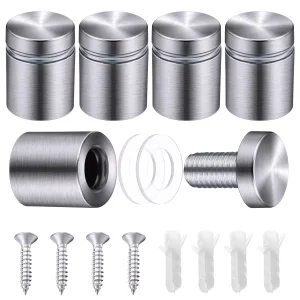
Optimized for commercial high-load walkways and oceanfront viewing decks.
Technical Details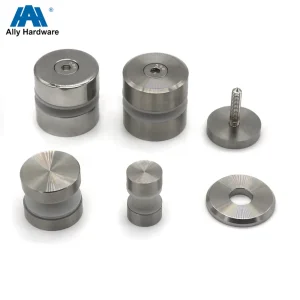
Sleek, unobtrusive design providing uninhibited lagoon views with max structural safety.
Technical Details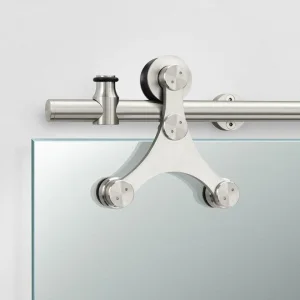
Cost-efficient, multi-layer coated alloy fittings for inland residential developments.
Technical Details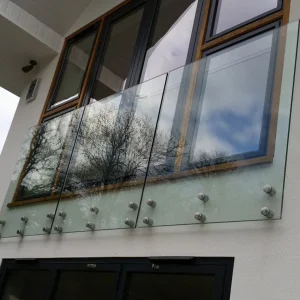
Premium grade polished finish designed to mitigate salt-crust accumulation.
Technical DetailsKiribati's unique geographical profile—comprising low-lying atolls like Tarawa and Kiritimati—presents some of the most aggressive environmental challenges globally. High atmospheric relative humidity (frequently exceeding 80%), coupled with constant aerosolized marine salts (sodium chloride) and intense solar radiation (high UV index), creates an accelerated galvanic and atmospheric corrosion chamber. Standard AISI 304 stainless steel or typical unprotected zinc alloys are insufficient in these zones, often suffering from pitting and crevice corrosion within 6 to 12 months of installation.
To deliver structural reliability for balcony railings in Kiribati, engineering projects must adhere to strict material standards. Our manufacturing lines prioritize high pitting resistance equivalents (PREN) and advanced metallurgical configurations:
Furthermore, local builders in South Tarawa must account for structural wind loading under tropical depression events. Our hardware designs comply with AS/NZS 1170.2 (Structural Design Actions - Wind Actions), ensuring that frameless glass brackets and cable tensioners can withstand pressures generated by winds up to 50 m/s without experiencing mechanical deformation or structural failure.
As Kiribati invests in sustainable development, urban renewal, and climate-resilient residential builds, building hardware needs to adapt. Our project portfolios for the Pacific region cover three main sectors:
Maximized visibility with frameless glass standoff brackets that withstand direct salt spray while maintaining aesthetic value for tourism spaces.
Heavy-duty balustrade hardware designed for high-traffic public installations, adhering to stringent accessibility and load-bearing standards.
Cost-effective, low-maintenance DIY cable railing systems and pre-engineered components optimized for fast onsite installation on remote atolls.
Whether you are executing a commercial government project in Betio or custom building private residences on Kiritimati Island, our engineering team supplies complete submittal packages including 3D CAD files, wind load certification, and metallurgical testing certificates (MTRs) to guarantee compliance with regional building codes.
Batul is a premier manufacturer, supplier, and global exporter of high-precision architectural hardware. Operating two state-of-the-art factories in China, we specialize in heavy-duty commercial glass hardware, door handles, frameless shower door fittings, and structural balcony railing systems.
Over the past two decades, we have aligned our design methodologies with the rigorous demands of oceanfront construction. By combining advanced CNC machining with robotic polishing and automated salt spray chambers, we ensure every bracket, standoff, and handrail support delivers uncompromising performance in high-salinity zones across Micronesia and the global markets.
Partner with Batul Today
Explore how Batul hardware supports critical residential and commercial projects globally, built to endure demanding applications.
Our hardware is verified by international inspection bodies to meet rigorous global standards.

Structural Glass Bracket Certification

Mechanical Safety Verification

Salt-Spray Endurance (ASTM B117)

Factory Quality Management System
Shipping building materials to the Central Pacific requires meticulous logistical planning and packaging. At Batul, we have streamlined our logistics chain specifically for remote destinations such as Tarawa Port and London (Kiritimati Island). Our localized support protocols include:
Looking ahead, our engineering team is developing composite fluorocarbon barrier coatings that provide a secondary layer of protection over Marine-Grade 316. This technology minimizes direct contact between atmospheric chlorine ions and the passivation film of the metal, doubling the typical service life of architectural installations in atoll environments.
Highly durable solutions for glass facades, cable systems, and custom masonry handrails.
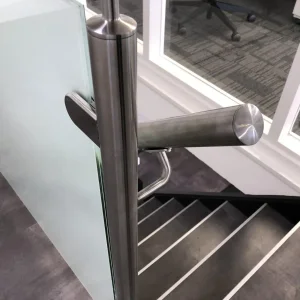
Tailored dimensions and custom finishes for modern residential builds.
Inquire Now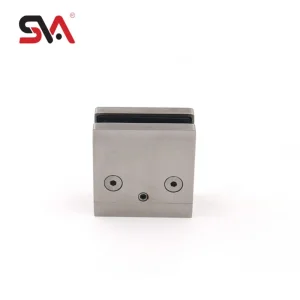
Heavy-duty stair and balcony hardware for public transit structures.
Inquire Now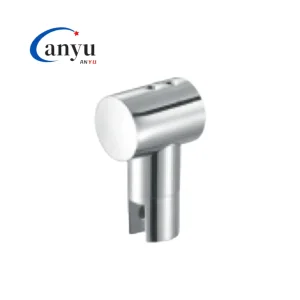
Crisp, modern square designs for luxury hotel decks and terraces.
Inquire Now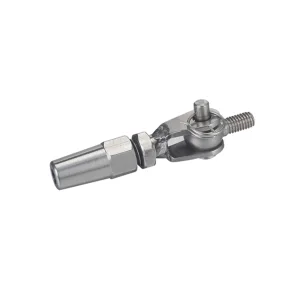
High-tension terminal swage fittings optimized for structural stability.
Inquire Now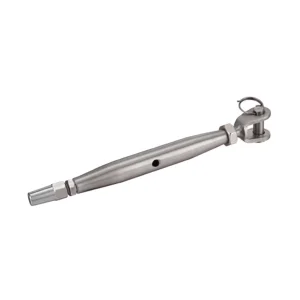
User-friendly, modular component kits requiring no special swaging tools.
Inquire Now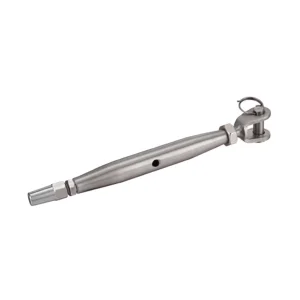
Heavy structural wire configurations to protect open balconies.
Inquire Now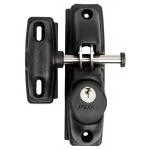
Self-closing hinges and heavy gravity latches for poolside safety fences.
Inquire Now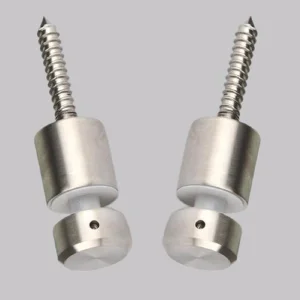
High-load anchor assemblies designed for modern commercial facades.
Inquire NowFrequently asked questions concerning material selection, compliance, and shipping logistics for regional projects.
For installations directly exposed to marine air (within 5 kilometers of the shoreline), Grade 316 (SS316) or duplex steel is necessary. Grade 304 lacks molybdenum, which is required to prevent chloride pitting in tropical regions. Our products use certified high-nickel, high-chromium alloys containing a minimum of 2.0% Molybdenum to prevent pitting and corrosion.
Kiribati projects frequently refer to Australian/New Zealand building codes (AS/NZS 1170.2). Our heavy-duty spigots, glass standoffs, and railing hardware are structurally modeled and simulated to withstand wind pressures of up to 50 m/s. We provide structural engineering reports detailing structural performance and load-bearing calculations upon request.
We routinely ship to Pacific destinations. Consignments destined for South Tarawa are dispatched from major ports in China (such as Shenzhen or Ningbo) and transshipped via regional hubs like Fiji or direct Pacific line shipping routes. Factory production typically requires 25 to 30 days, while ocean transit requires 20 to 35 days, depending on carrier schedules.
Yes. Our in-house research and development center supports full OEM and ODM services. We can adapt sizes, profiles, and surface finishes (polishing, PVD coating, or specialized fluoropolymer paints) to align with specific aesthetic and technical parameters defined by local contractors and architects.
Our quality assurance program involves comprehensive chemical composition analysis using spectrometer testing, load-bearing tests on specialized hydraulic rigs, and continuous neutral salt spray testing (ASTM B117) to verify corrosion resistance. Every product batch is traceable through material test reports (MTR) and CE compliance documentation.
"Tea staining" refers to surface discoloration caused by salt buildup on stainless steel. Although it does not affect structural integrity immediately, it compromises aesthetics. We recommend regular cleanings with fresh water and mild detergent every 3 to 6 months to remove salt crust. Specifying a mirror-polished finish also reduces surface roughness, making it harder for salt particles to cling to the metal.
Contact our sales engineering team today to receive detailed technical advice, metallurgical certifications, and custom wholesale pricing tailored for Micronesian infrastructure developments.
Send Inquiry Now Batul Hardware


